
Revegetation works
The drafting of the land was followed by agronomic processing for the preparation for planting of the different tree and shrub species. The revegetation works followed a specific design for the creation of native ecosystems with high biodiversity.
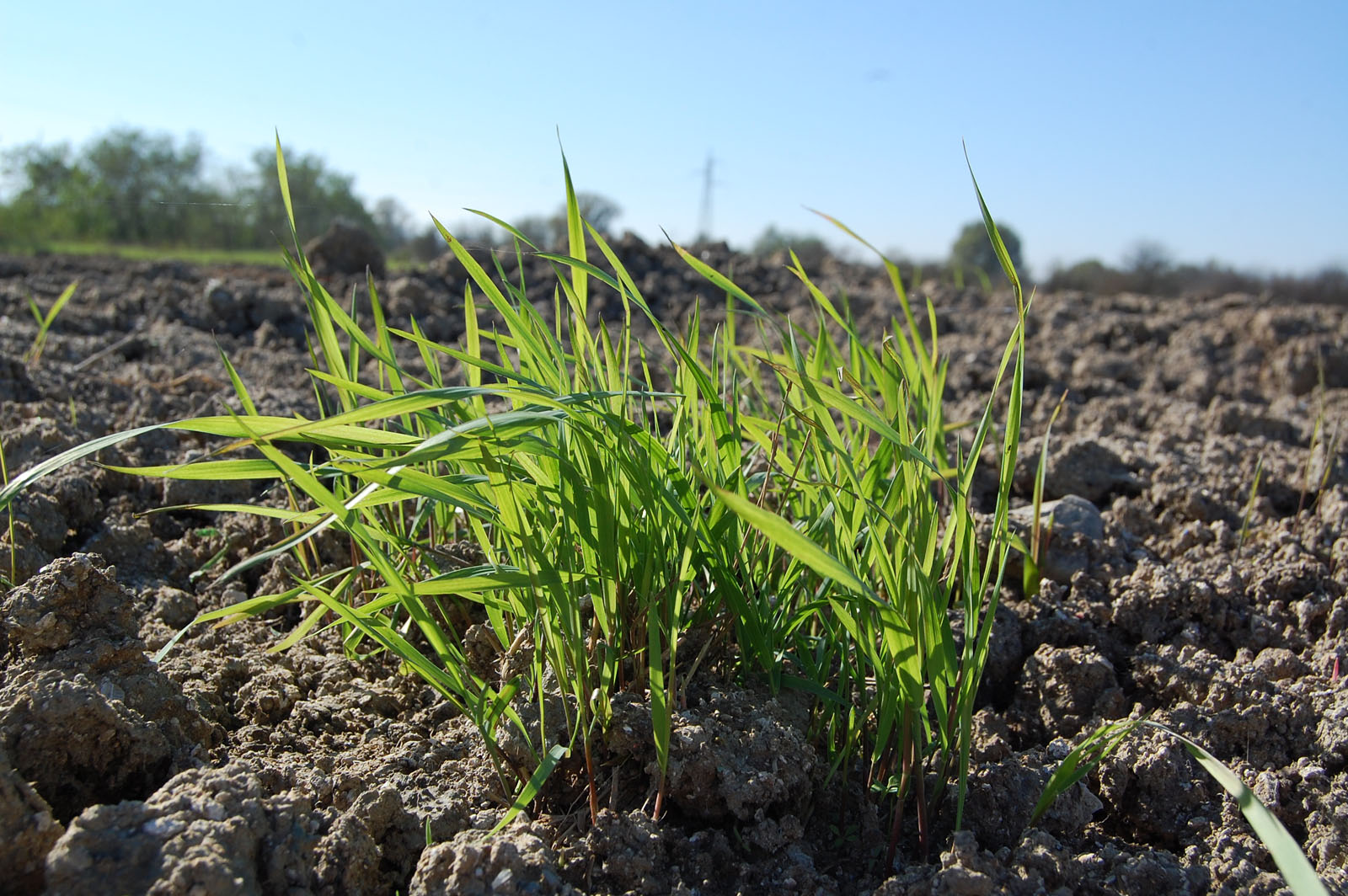


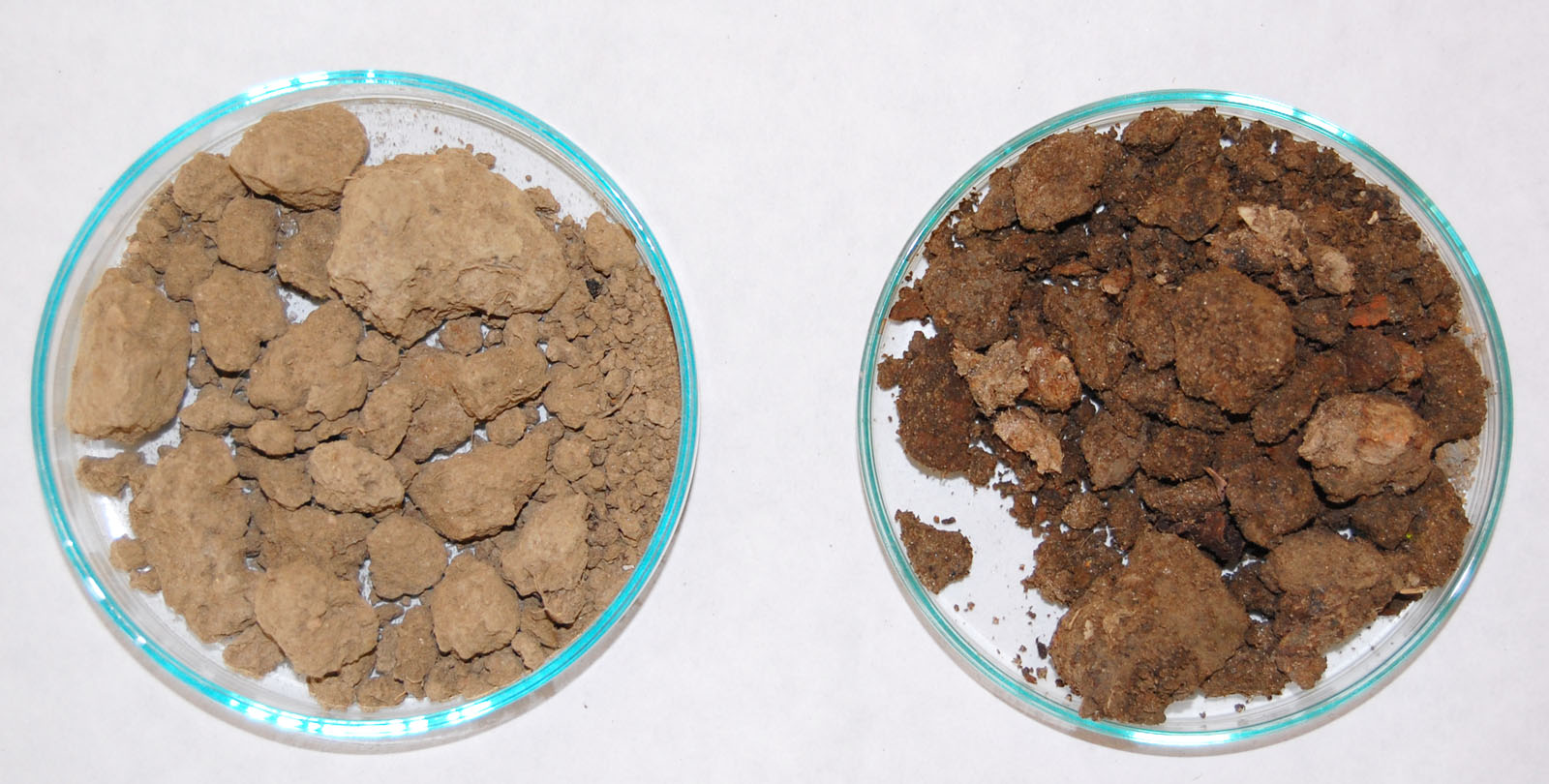
The change in the pedological and agronomic conditions of the site after the intervention was highlighted in numerous physical, chemical and biological properties with the consequent transition from the VII Class of capacity for use (Non-arable soils to be used for limited use for grazing) to Class II (Intensively cultivated arable soils): These changes have demonstrated the great opportunities, previously non-existent, offered by the reconstitution technology for land reclamation and for the restoration of marginal or lost agricultural areas.
The main results achieved by the reconstitution of soils in the NEWLIFE intervention were as follows:
- Reduction of petrification and inertness
- Reduction of the size of aggregates
- Strong increase in soil depth
- Increased water retention and capacity
- Strong increase in root penetration depth
- Reduction of the real and apparent specifc weight of soils
- Increased porosity
- Reduced?Low to moderate crustyness index
- Improvement of the structure from angular polyhedral ? subangular to granular lumpy
- Increased structural stability
- Improved reaction (pH): medium alkaline to slightly alkaline
- Increase in organic matter from low to rich (average >5%)
- Strong increase in humic and fulvic acids
- Strong increase in the carbon-nitrogen ratio
- Balance of total nitrogen endowment with rich endowment
- Increased Catonic Exchange Capacity
- Balanced Potassium – Magnesium ratio
- Increased Phosphorus Availability, Strong Reduction of Retrograde
- Increase in exchangeable ammonium


In the same section:
 EN
EN  IT
IT  RU
RU 