
Land relocation
The start of soil production gave rise to works to position reconstituted soils in separate batches in order to allow – in the later stages – a detailed study of the physical, chemical and biological evolution of reconstituted soils.
Particularly significant was the use of alluvial sediments, thus demonstrating the possibility of converting sterile materials into fertile soil and, by their nature, unsuitable for agronomic or forestry use.
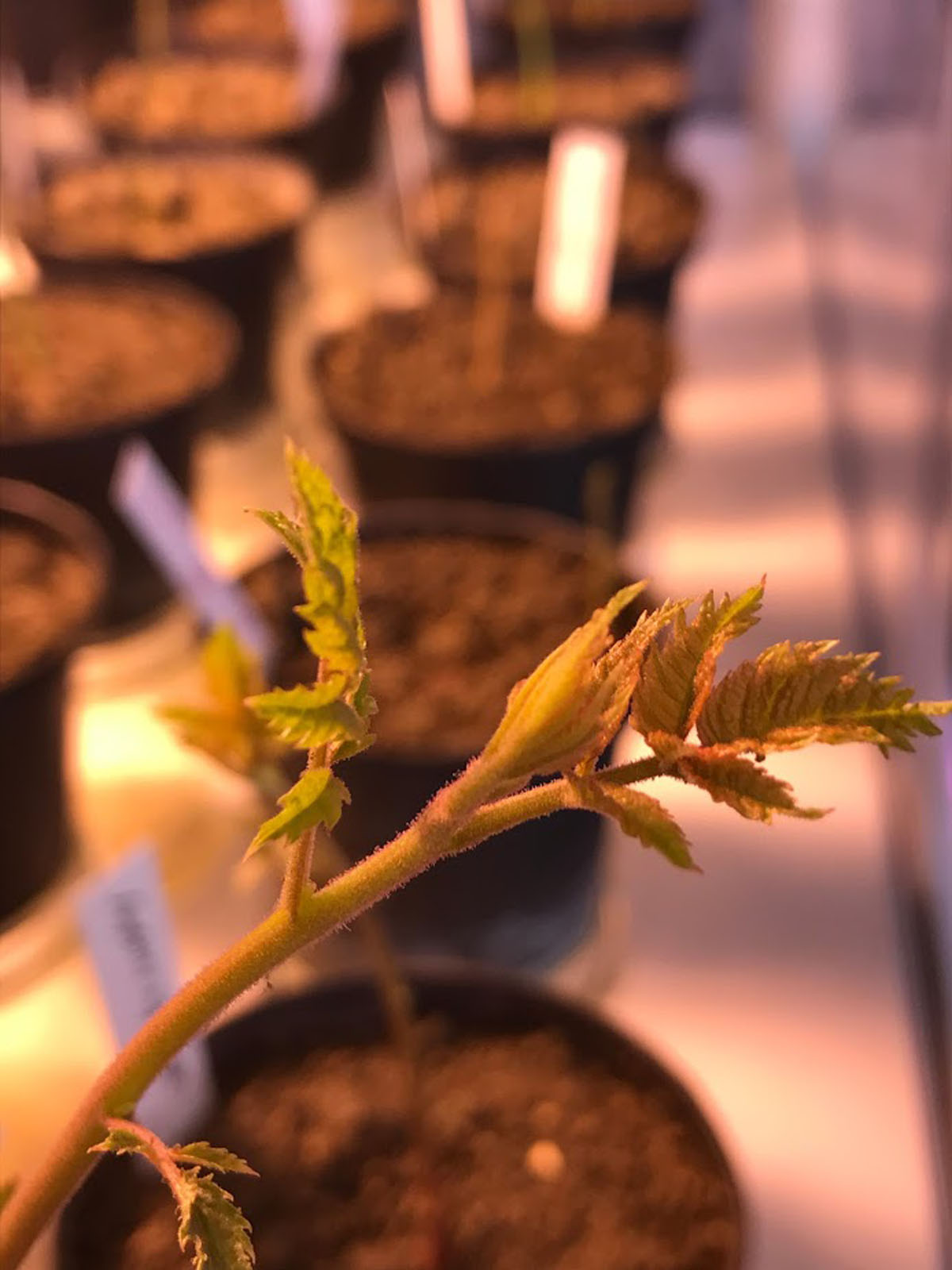
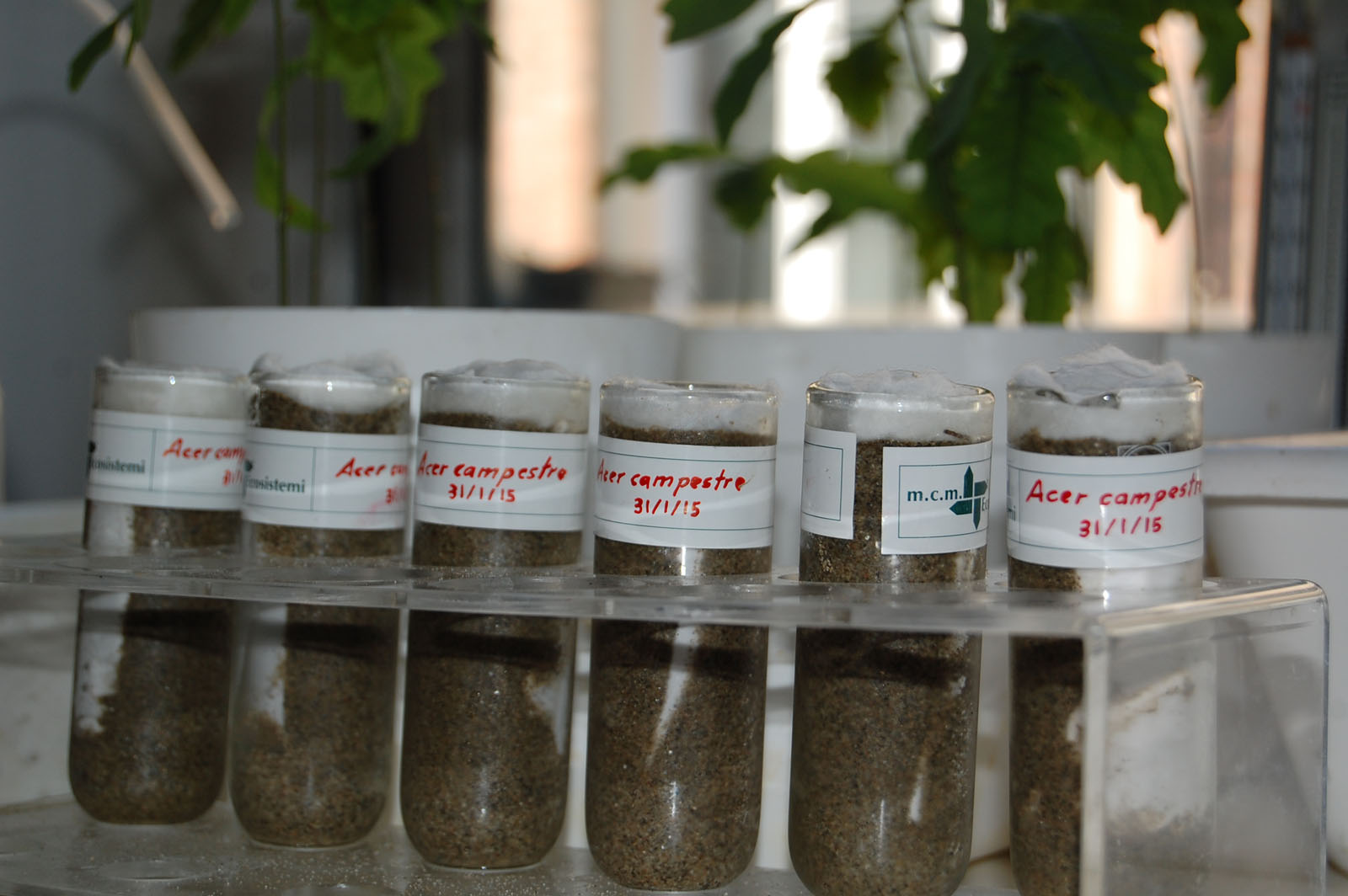
Reforestation with native species
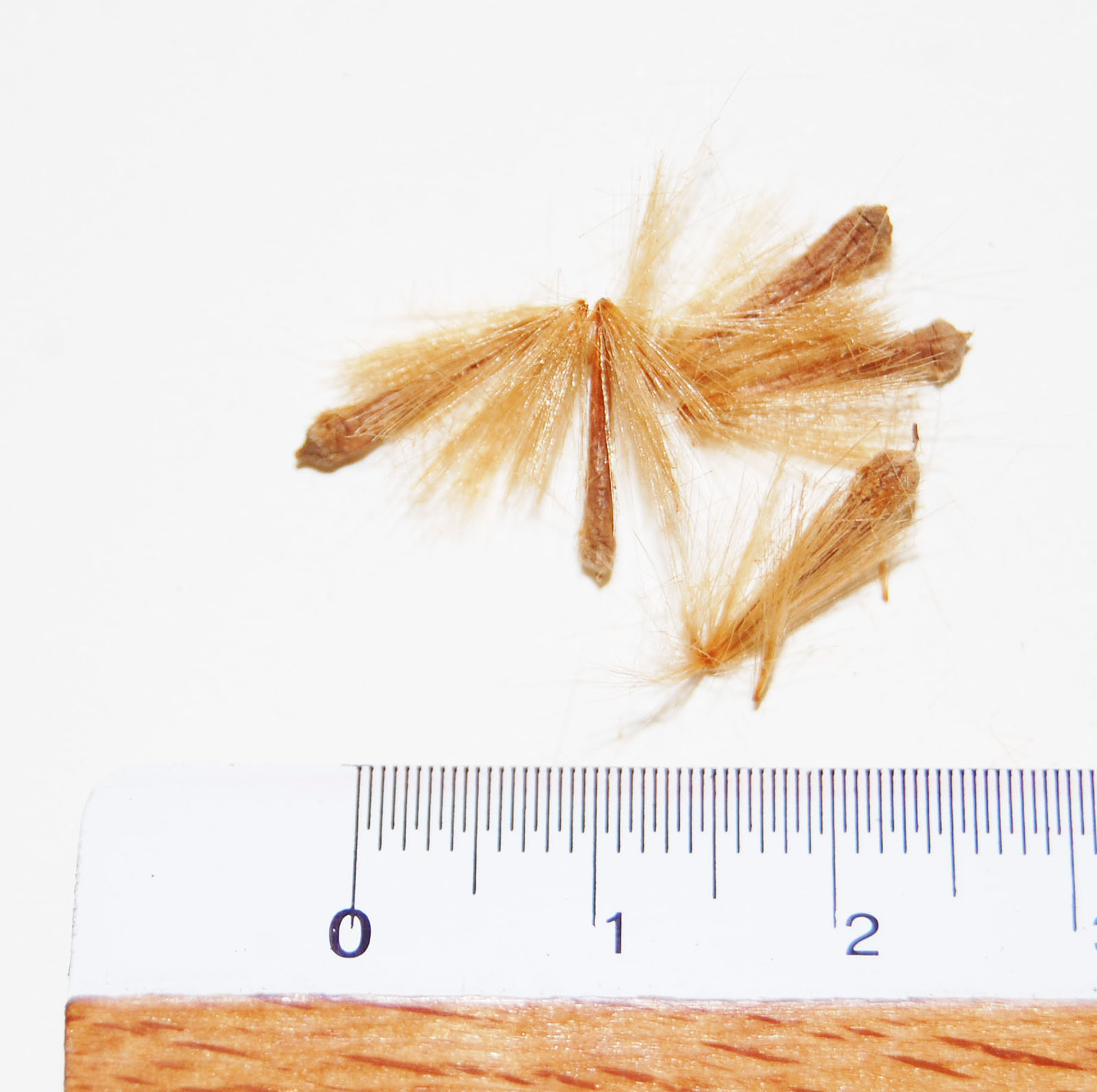
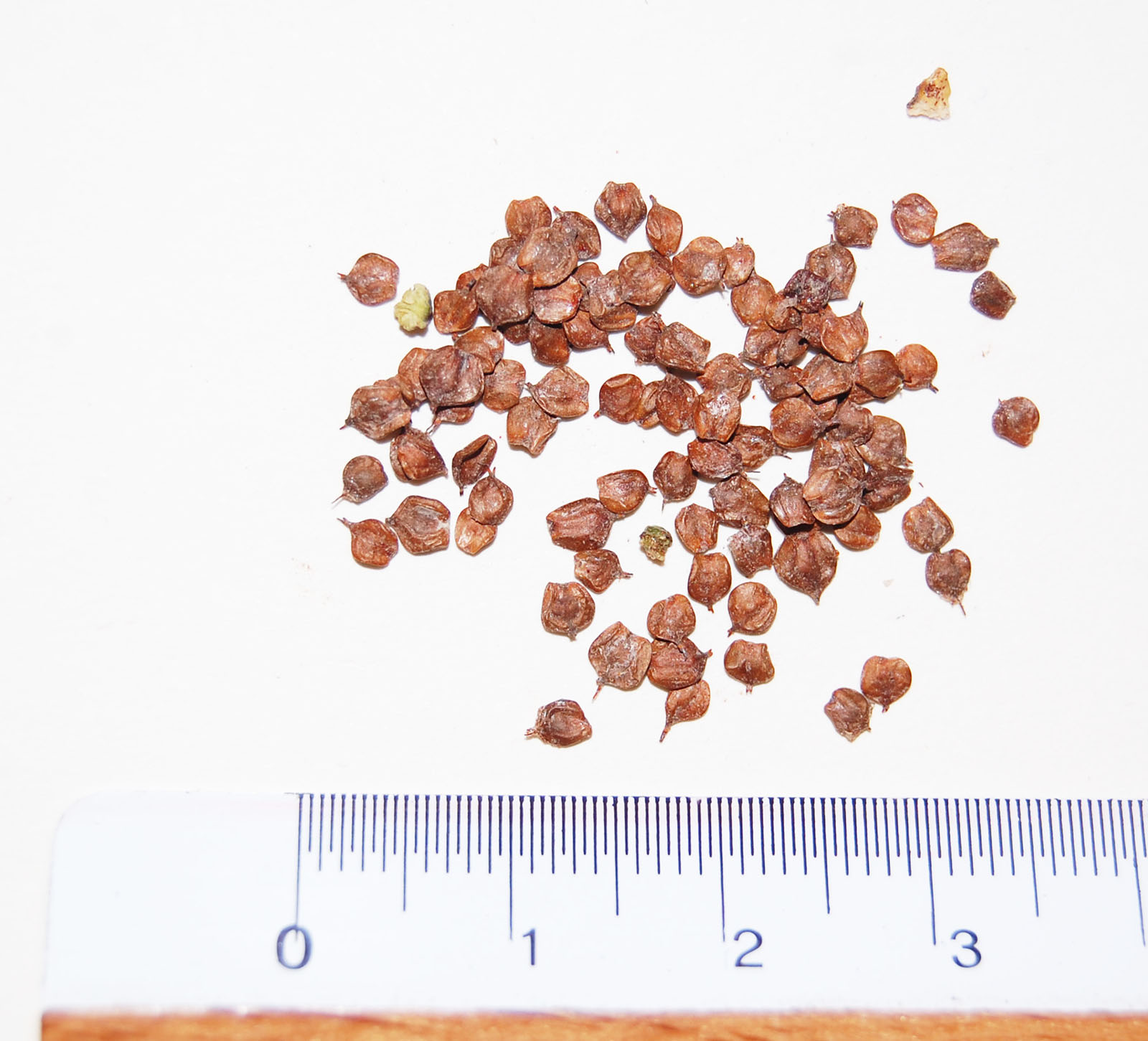
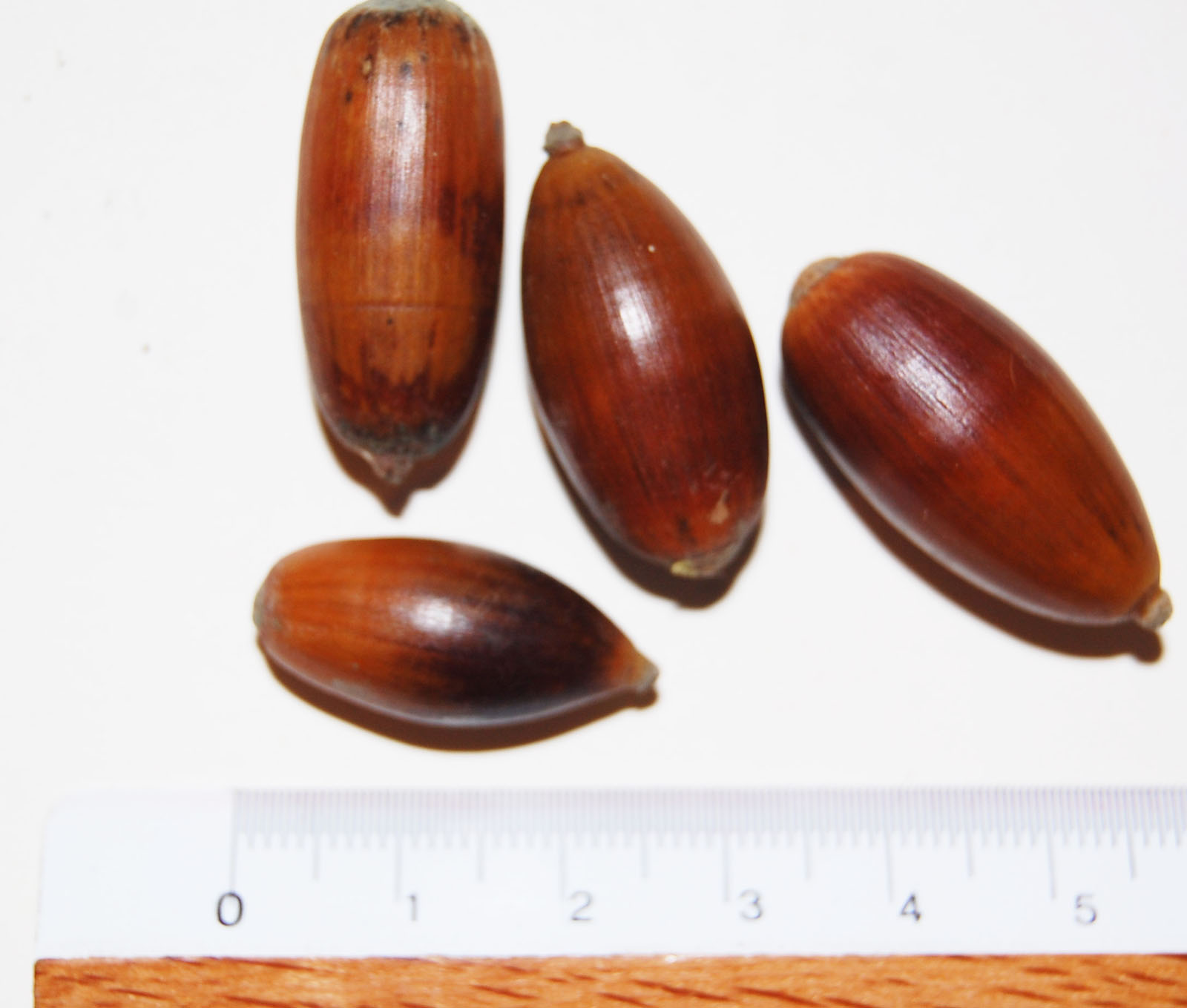
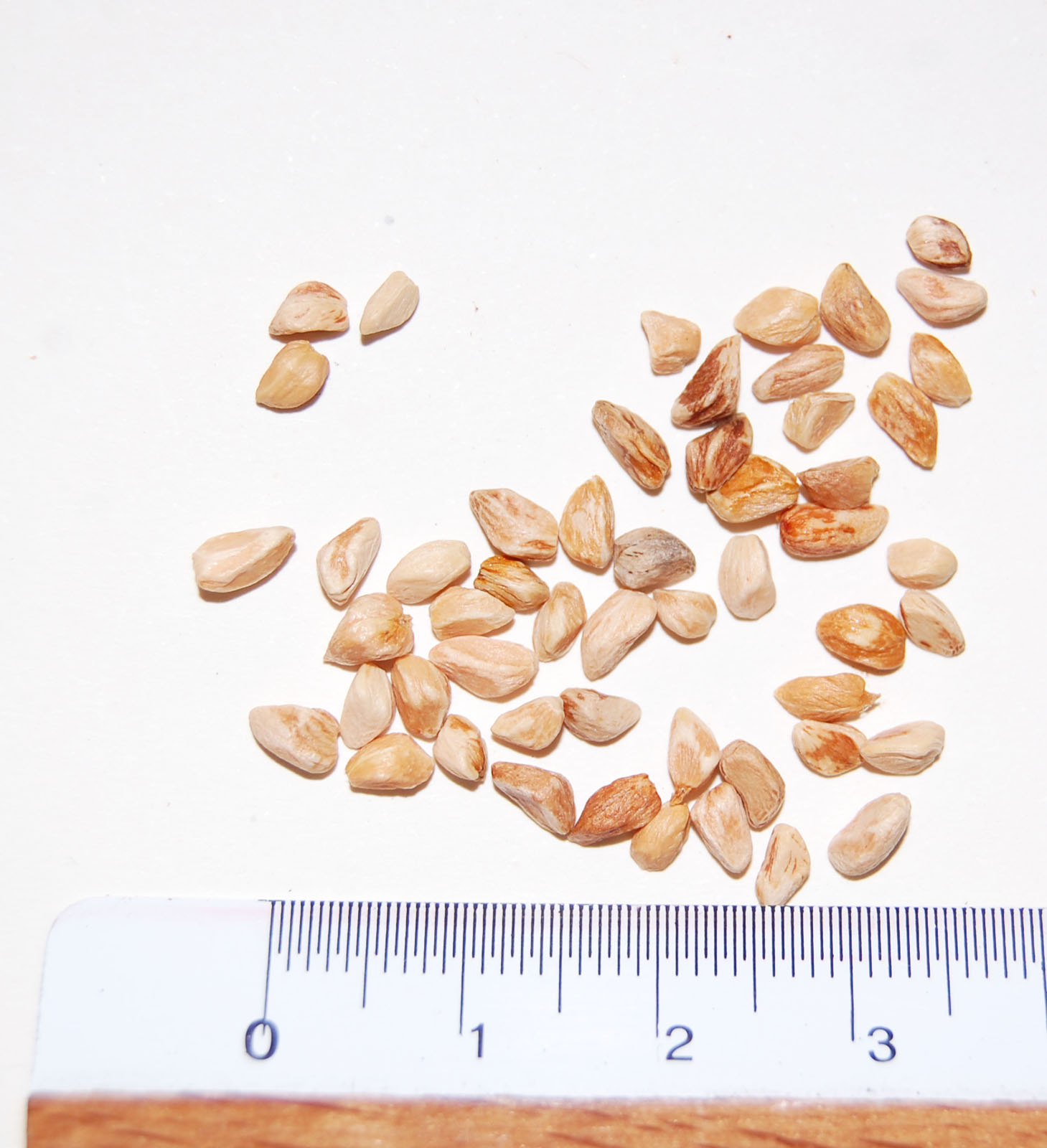
Together with the relocation works, the company has started the design of reforestation with 4000 mainly native species of trees and shrubs, also using seeds from monumental trees present in the territory of the Province of Piacenza, harvested, germinated and bred in greenhouses by Ecosistemi.
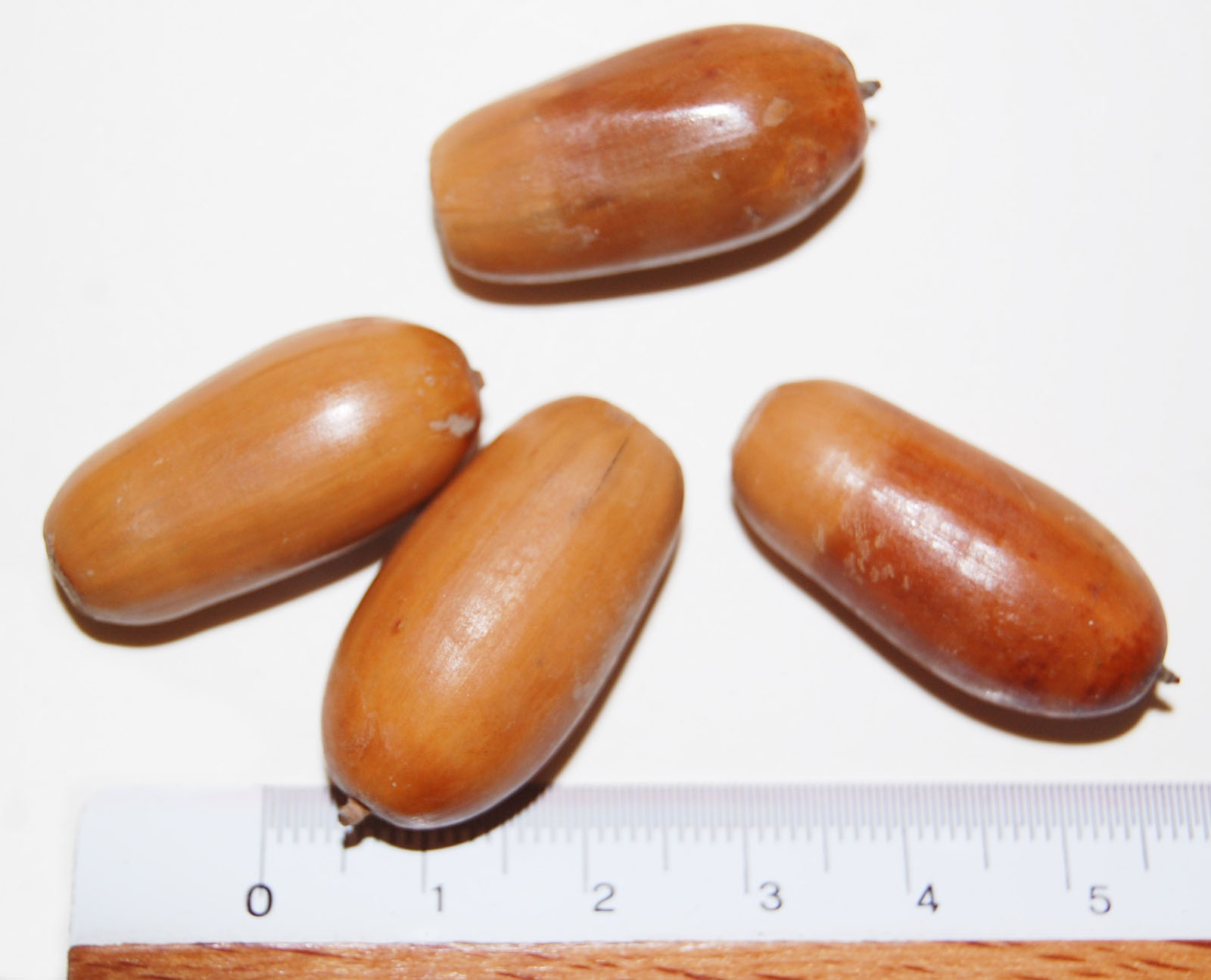
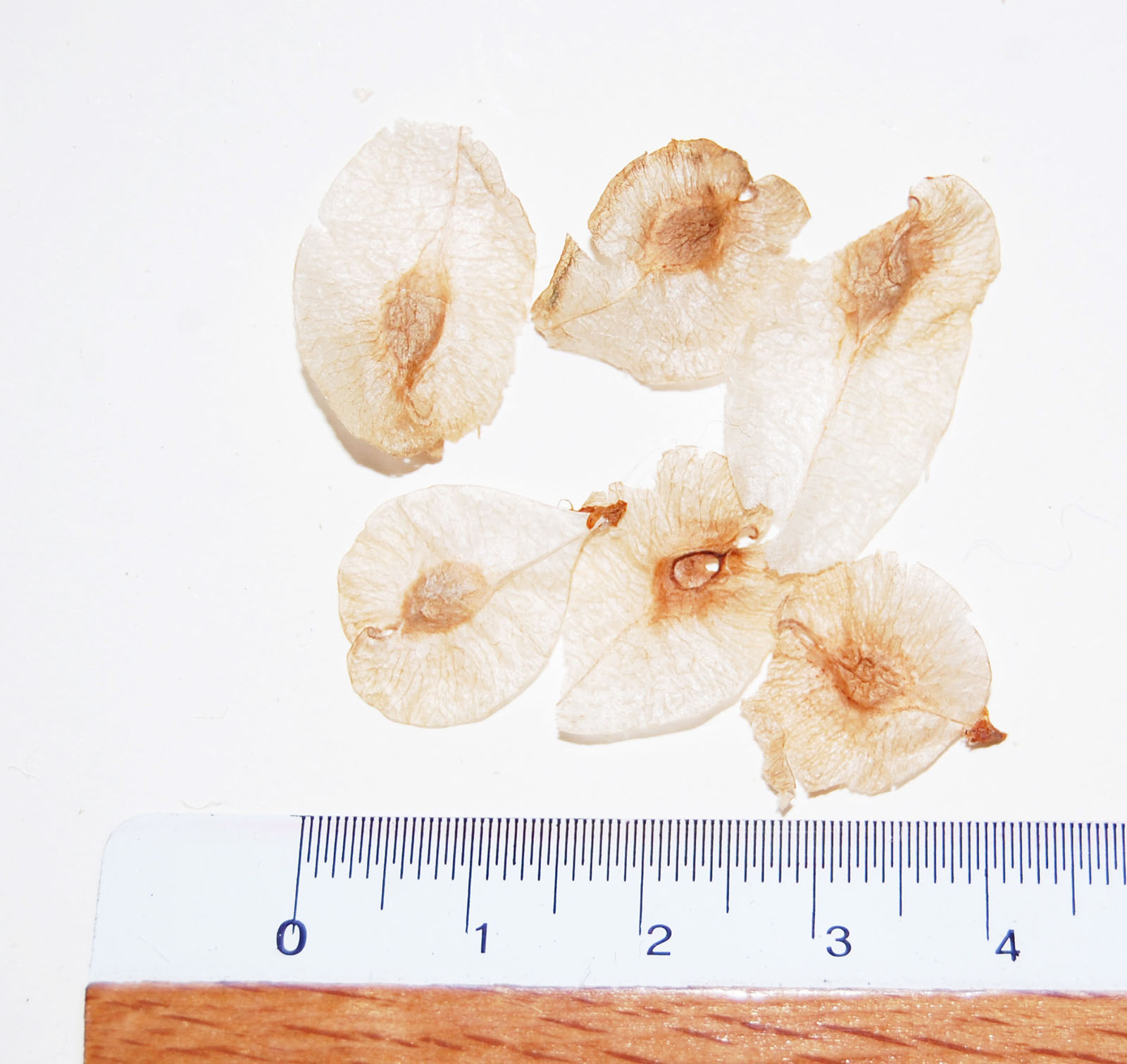
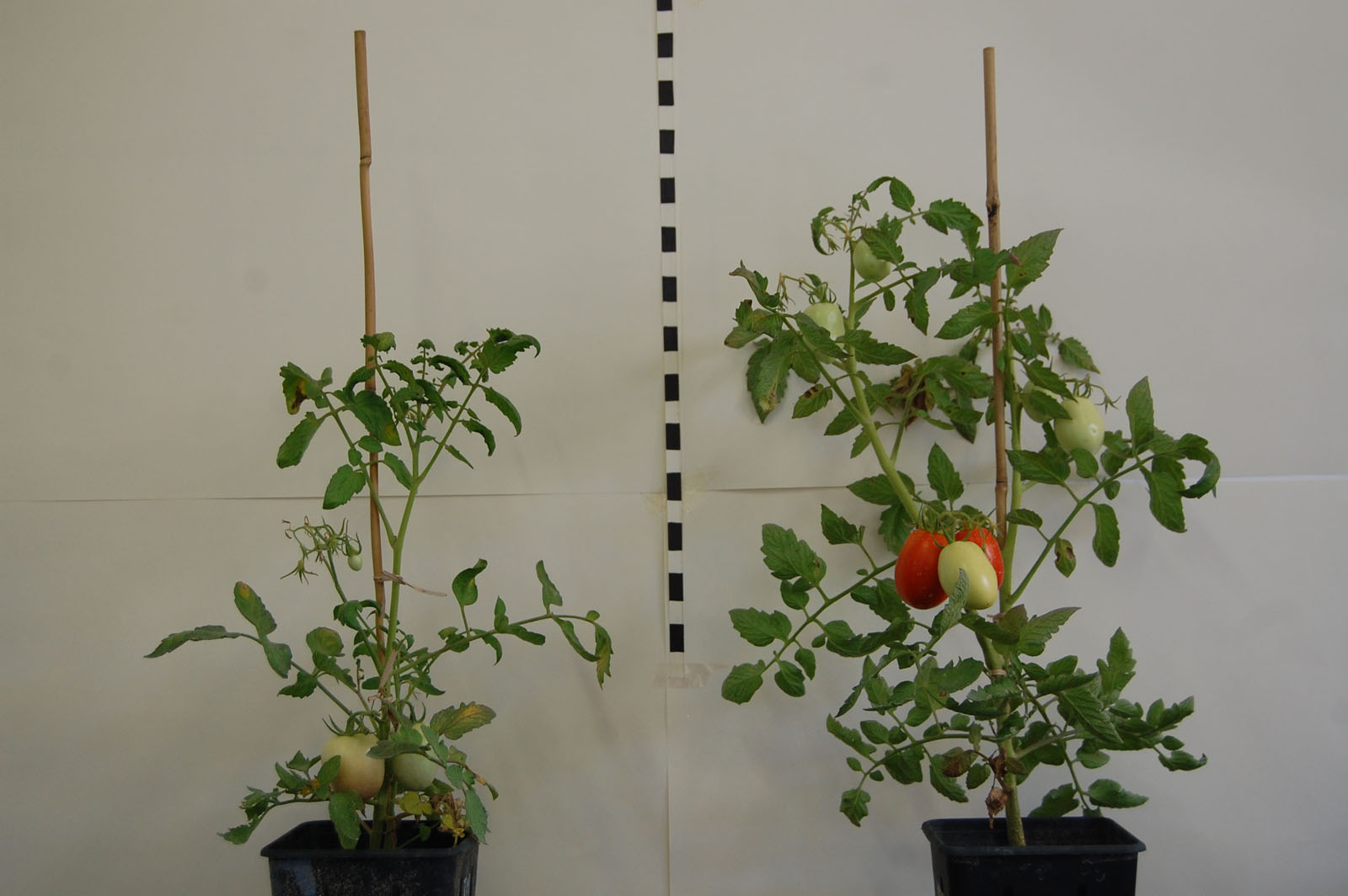
Pot tests on tomato productivity in reconstituted soils (2014 ? 2015)
Within the NEW LIFE project, a study was carried out on the comparisons between the growth of tomatoes in natural and reconstituted agricultural soils, obtaining results of particular interest in the agricultural sector both in terms of growth rates and in terms of the quantity and quality of the product.
Presentation of the growth comparison study


In the same section:
 EN
EN  IT
IT  RU
RU 