
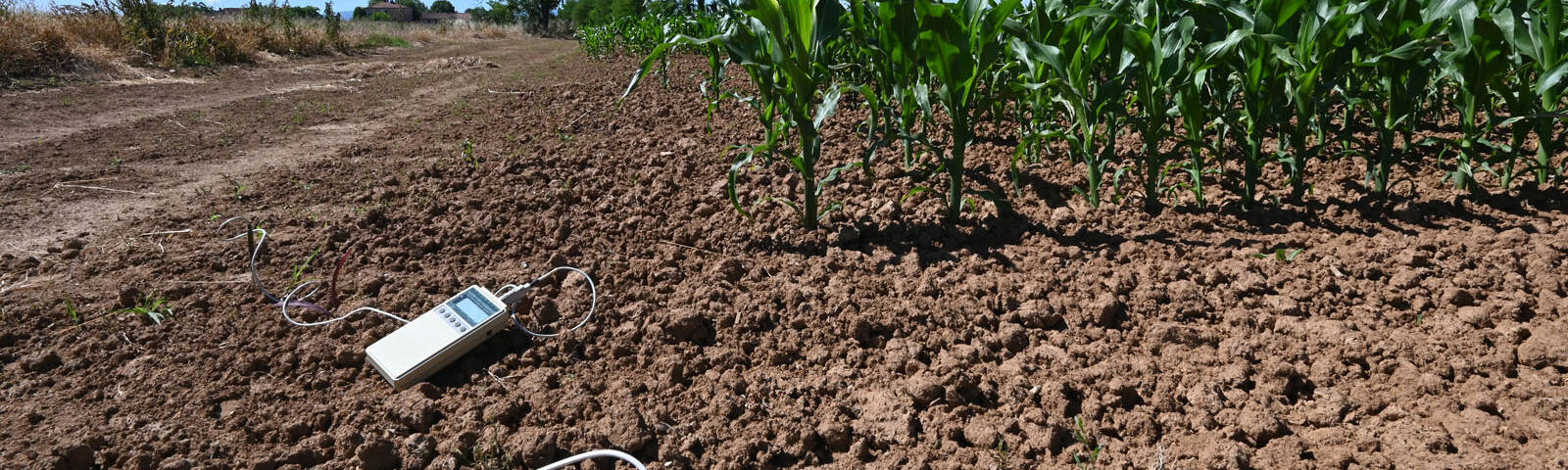
The pedotechnology of Ecosistemi acts profoundly on the physical characteristics of the soils by improving the fundamental properties on which the fertility and productivity of agricultural and forestry soils depends. The physical characteristics of the soils – on which reconstitution operates – determine aspects relating to the costs of irrigation, agricultural processing, nutrient availability and biological functionality.
Temperature
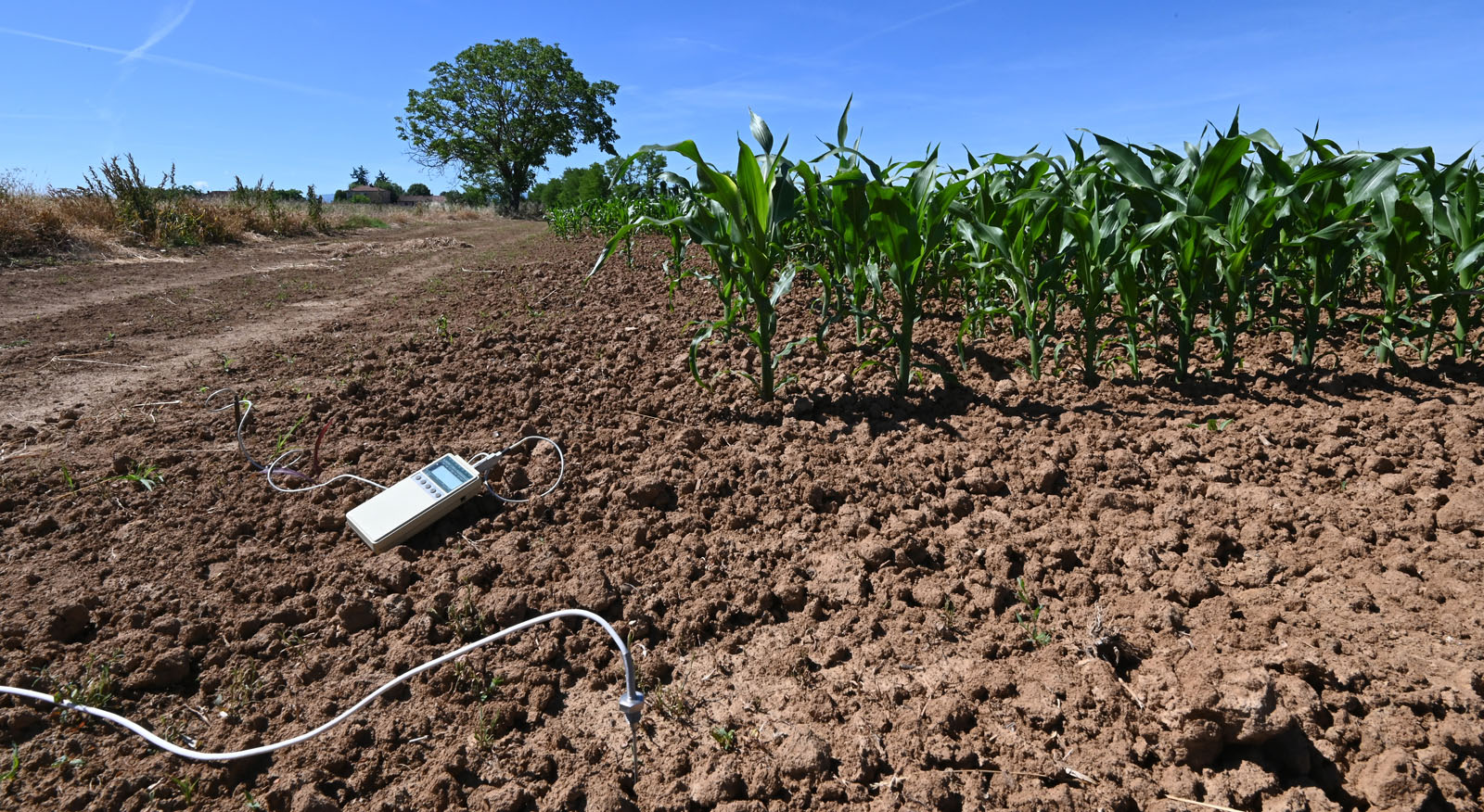
The reconstituted soils have a high thermal capacity, this ? characteristic due to better structure, porosity, water retention and ? organic matter content guarantees less daily and seasonal temperature changes in the soils. This property favorably affects many agronomic factors such as: increase in the availability of nutrients at the roots, greater diffusion of the root system, prolongation of biological and enzymatic activity, mitigation of temperature changes in the layers affected by greater rhizospheric activity.
Water retention
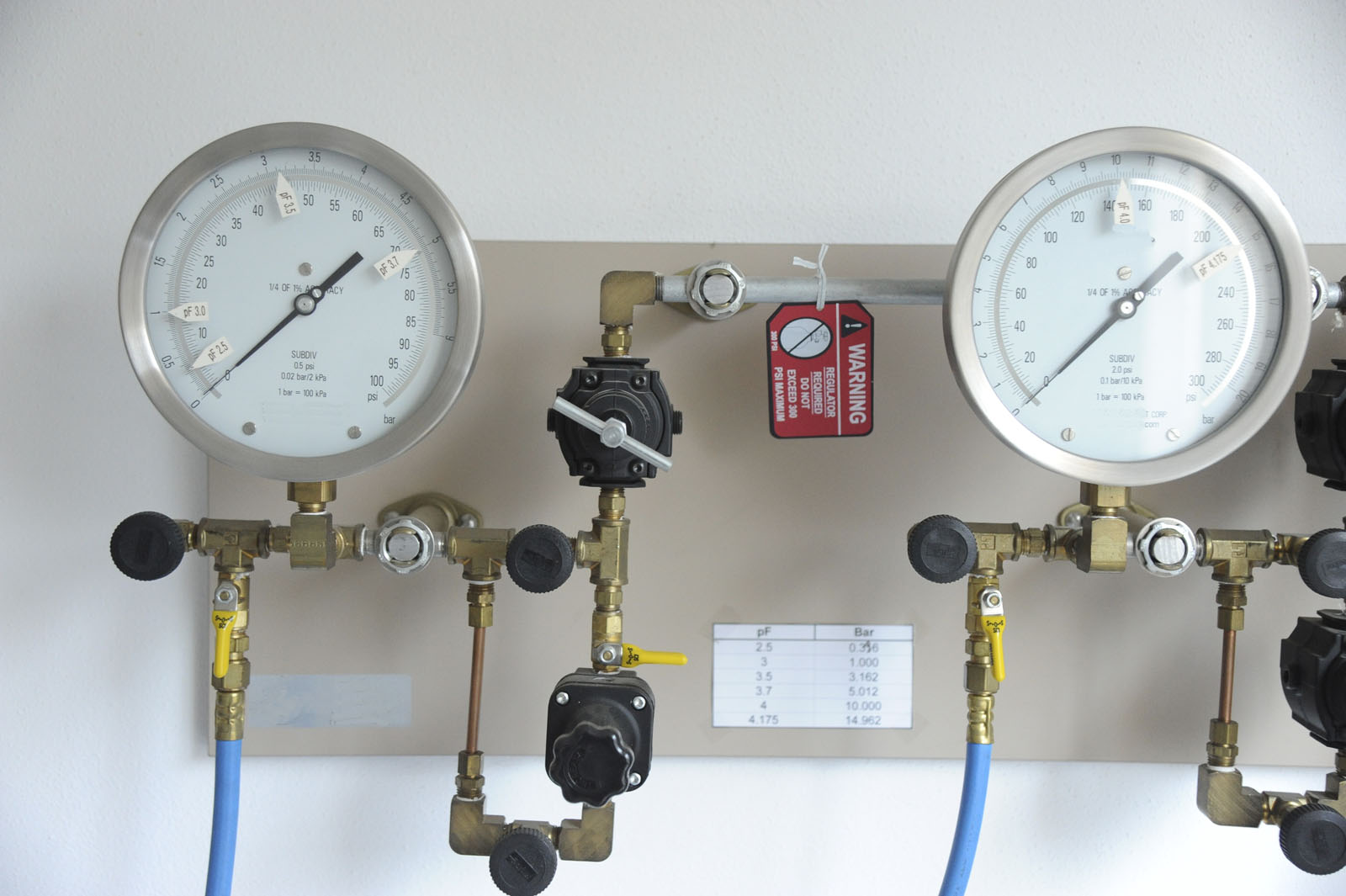
In the laboratory, in the experimental plots and in the soils of the works carried out with the different methods of reconstitution, greater water retention was found – with clear evidence –.
With reconstitution, the field capacity is increased, the water available in the soils is increased and the drying point is removed. A direct agronomic influence results in a lower consumption of water for irrigation works and a greater saving of the precious water resource.
Apparent Density - Porosity
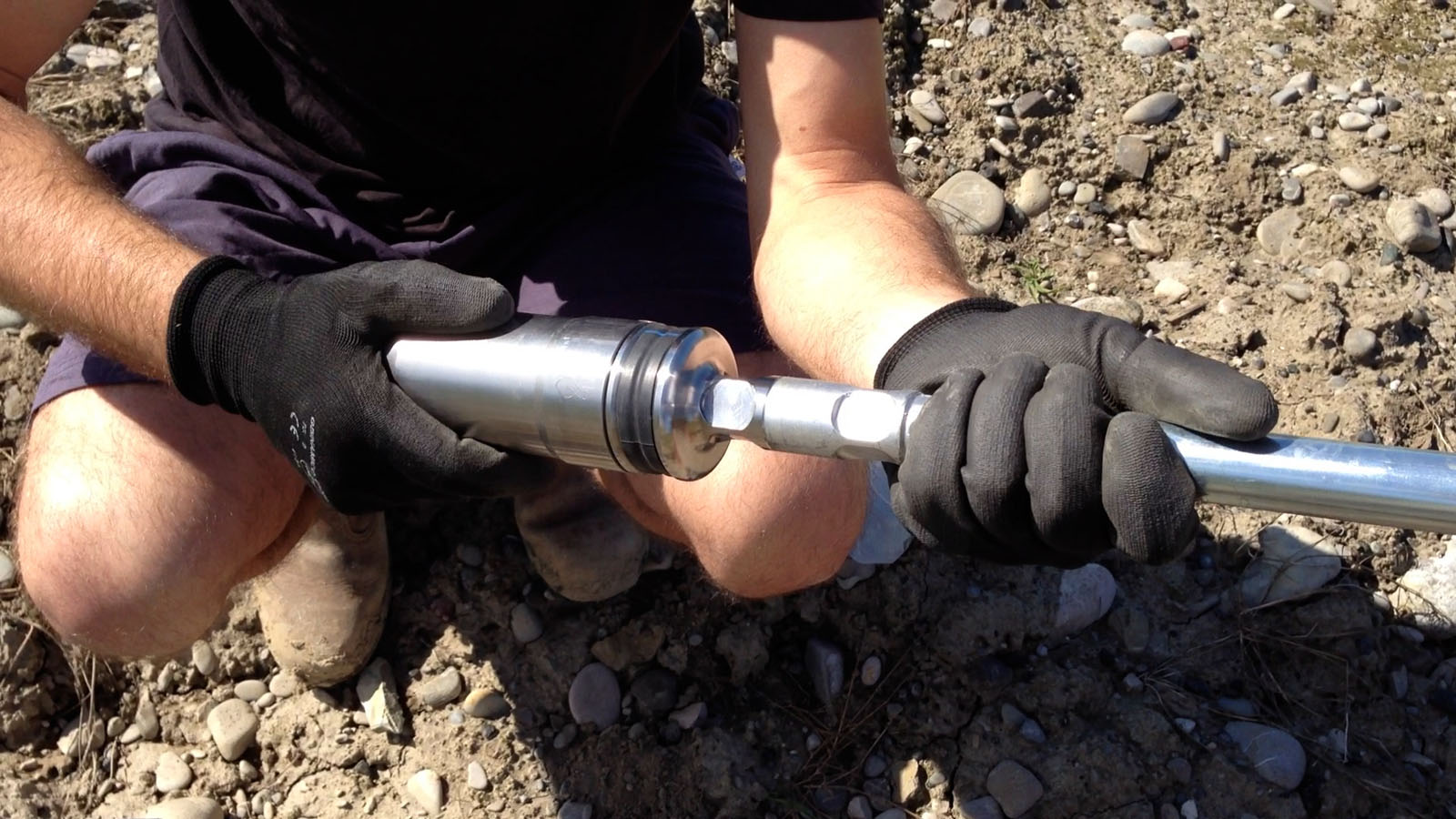
The reconstituted soils, as a result of the treatment undergone, have a lower specific weight than that of the original soil. This improved property results in a number of characteristics of particular agricultural interest such as: greater porosity, greater permeability to air and water, less water stagnation in the field and better workability: fundamental properties for better land management and higher agricultural productivity.
Structure
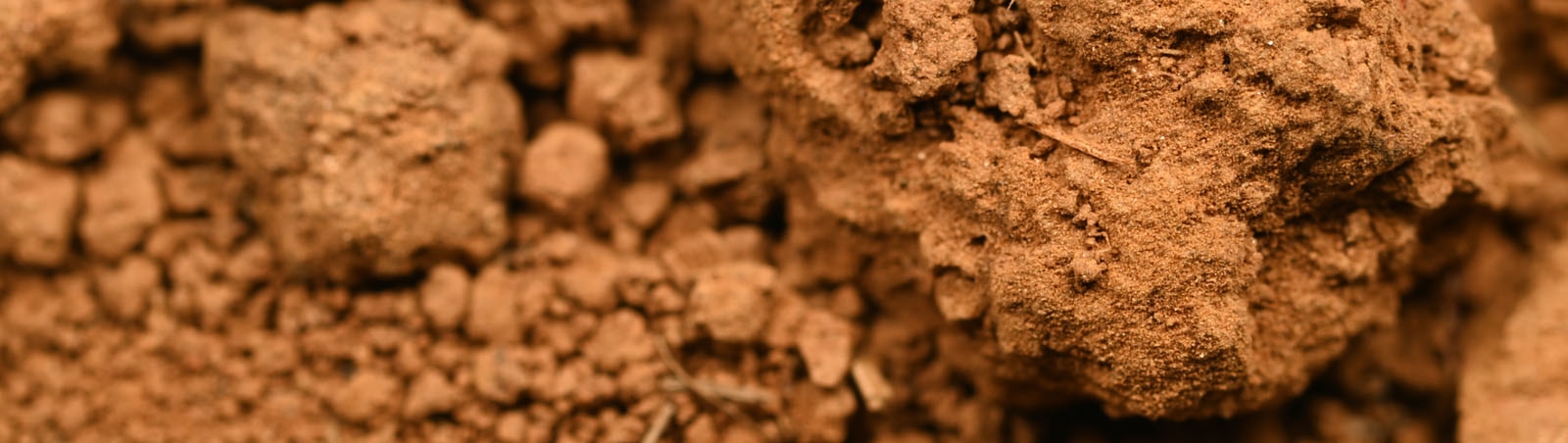
The reconstitution produces an optimal state of aggregation in the soils: converts massive or inconsistent lands into structured soils; soils with a multifaceted angular structure in granular and lumpy. Thanks to the better structural condition, the reconstituted soils have much better physical, chemical and biological fertility properties than the original soils.
The technology applied through the specific mechanical, rheological and chemical criteria achieves the conformation that is the best in terms of physical fertility.
Structure stability (? erosion Soil compaction)

The reconstitution treatment leads to a rebalanced ratio between the organic substance and the mineral fraction in the aggregates.
Depending on the texture of the soils to be reconstituted, specific treatments and dosages are designed with different contributions of sapric, hemical and fibric organic matrices: this approach leads to inclusions in mineral aggregates inducing rheological and binding properties that improve the structure even in incoherent soils (sandy soils) and massive soils (clay soils). These processes are associated with specific evolutions of the organic substance that, with humification, leads to the stabilization of aggregation with the consequent reduction of erosion and compaction.
Surface encrusting
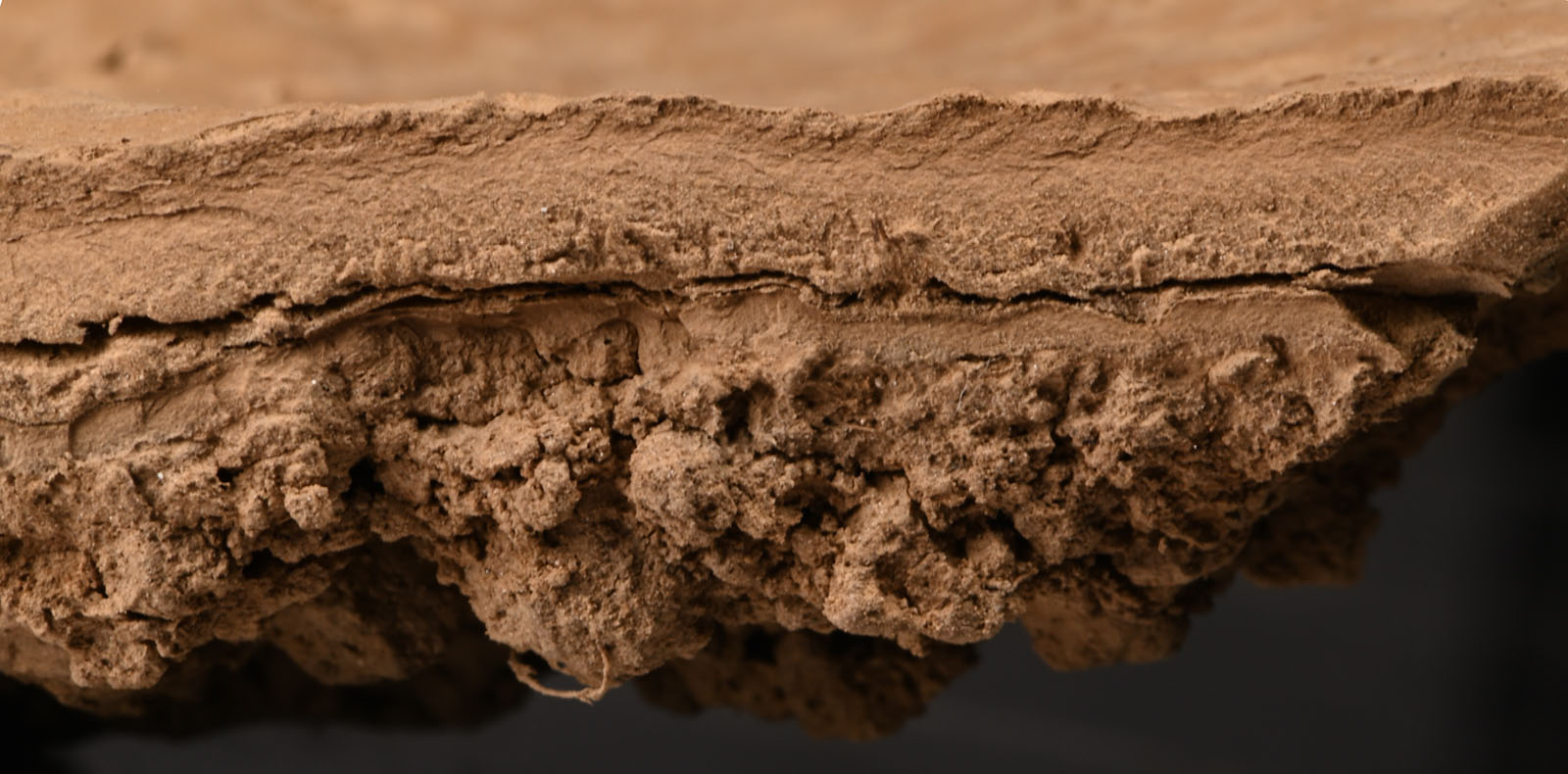
Soil encrusting leads to reduced productivity: the formation of surface crusts prevents or makes difficult the emergence of plants from the soil after germination and reduces surface permeability. The consequences of these characteristics, typical of silty soils and deficient in organic matter, are: reduction of production; Difficult management of soil processing; strong increase in erosiveness due to the high speed and flow force of the water; surface waterproofing of soils, asphyxiation of roots.
Reconstitution, especially in the form of active in situ treatment since 2024, is able to resolve this agronomic limitation.
Surface permeability
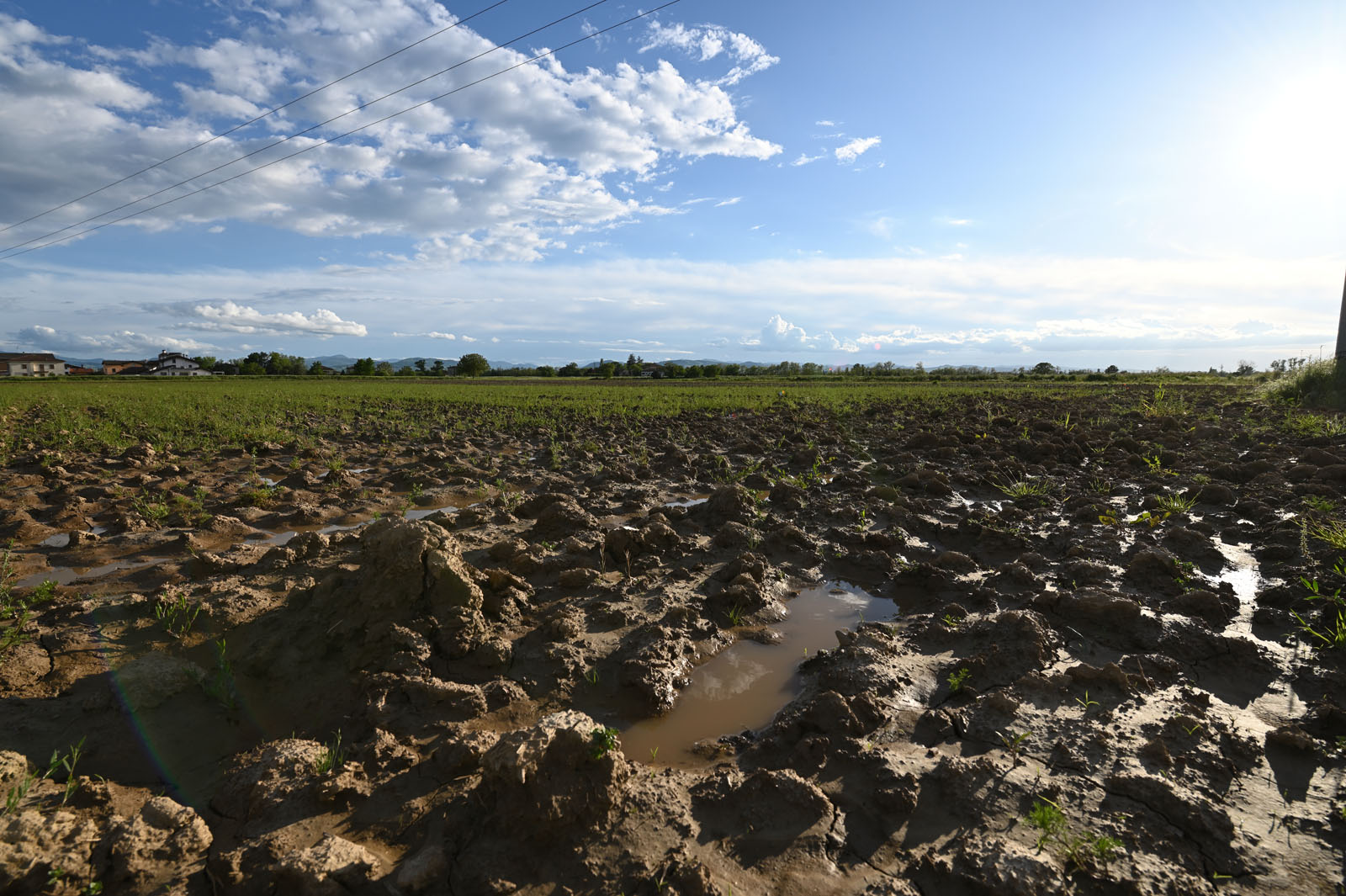
The recomposition of the structure of degraded soils carried out by reconstitution, the careful choice of organic structures for the formation of new soil aggregates, leads to an increase in surface permeability by converting very low classes to high with very favorable consequences from an agronomic point of view such as: increase in the rate of infiltration of water; increase in available water; reduction, cancellation, surface erosion; reduction, cancellation of water stagnation; optimisation and increase of the soils' ability to irrigate; water resource saving; reduction of the limestone crust.
In the same section:
 EN
EN  IT
IT  RU
RU 