
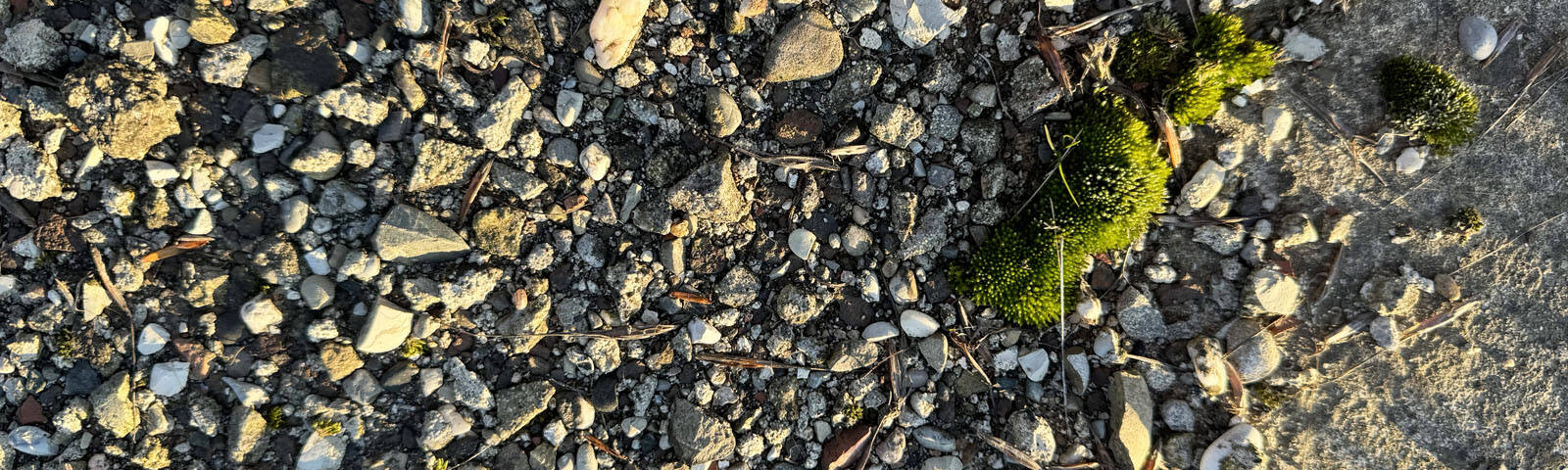
The reconstitution technology works by making areas fertile with rocky surfaces, with thin horizons of soil, with
soils with low water retention.
Rockiness - Pietrosità
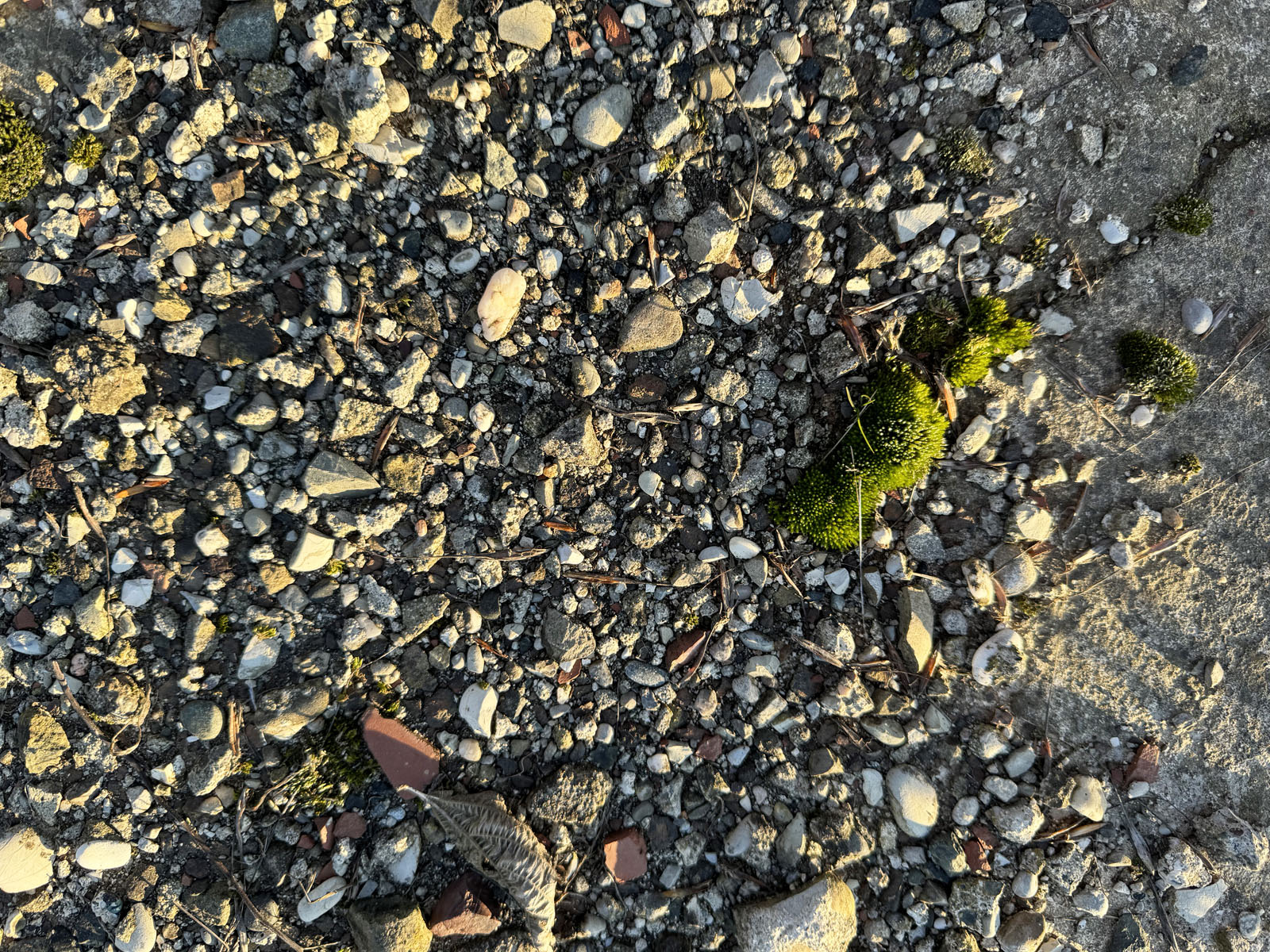
The reconstitution specifically applied to flat or low-slope rocky areas shows the desired quantities of soil (anthropo-soil) with pedoagronomic characteristics aimed at the area’s vocational potential; this same method can be implemented for the restoration of surfaces waterproofed by cement, asphalt and soils buried by civil and industrial construction activities.
The pedotechnic of the reconstitution intervenes on the soils with frequent, abundant and very abundant stonyness, increasing the fraction of fine earth, also acting with the sorting of stones and boulders and with the eventual crushing, of the middle dimensional classes (7,5 ? 15 cm).
Depth
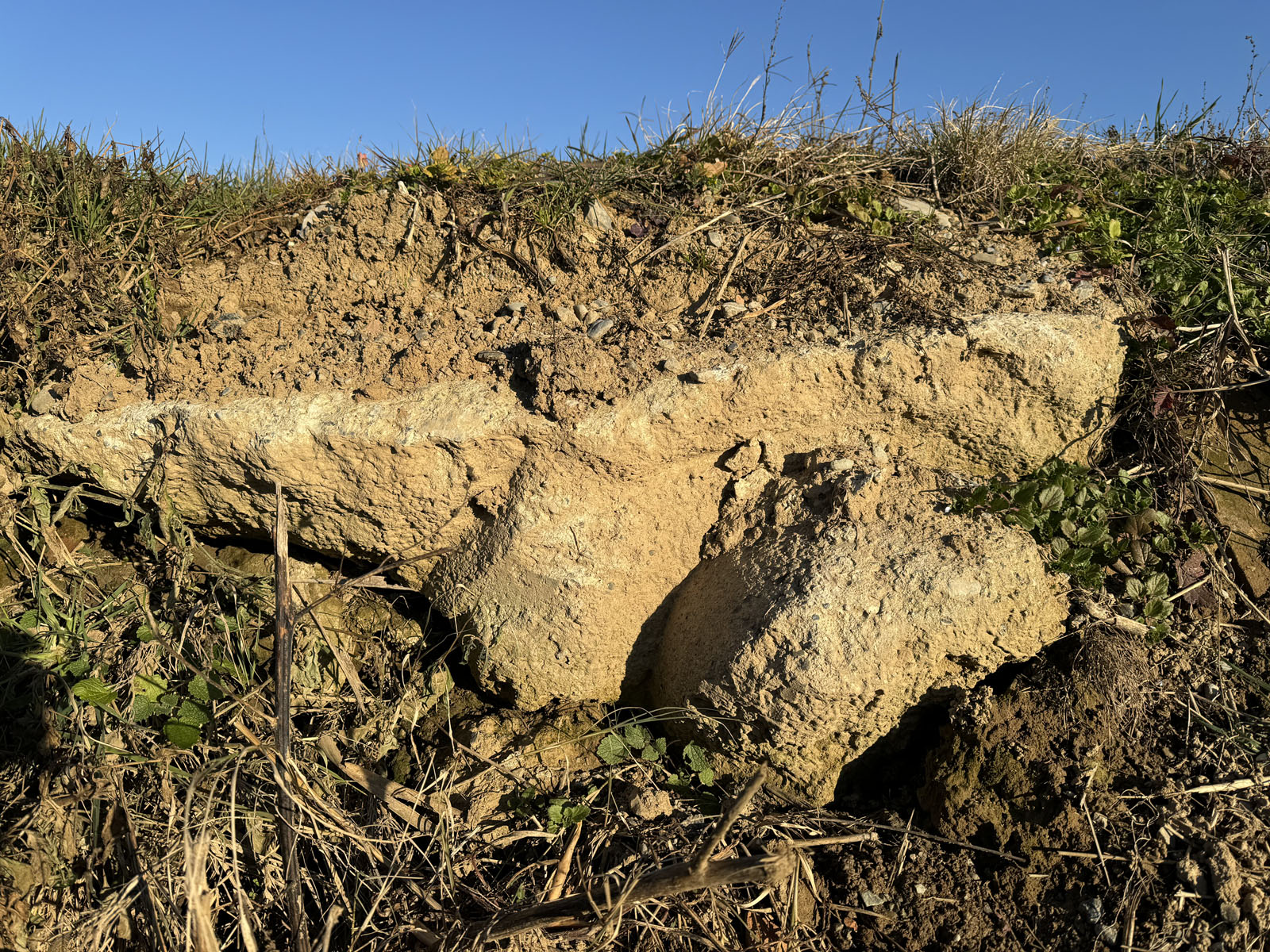
Thin, shallow and moderately deep soils are converted to desired depths: this result, which always occurs in the reconstitution interventions, can be significantly increased in the required cases of increase in the depth of agricultural and forest land.
Moisture
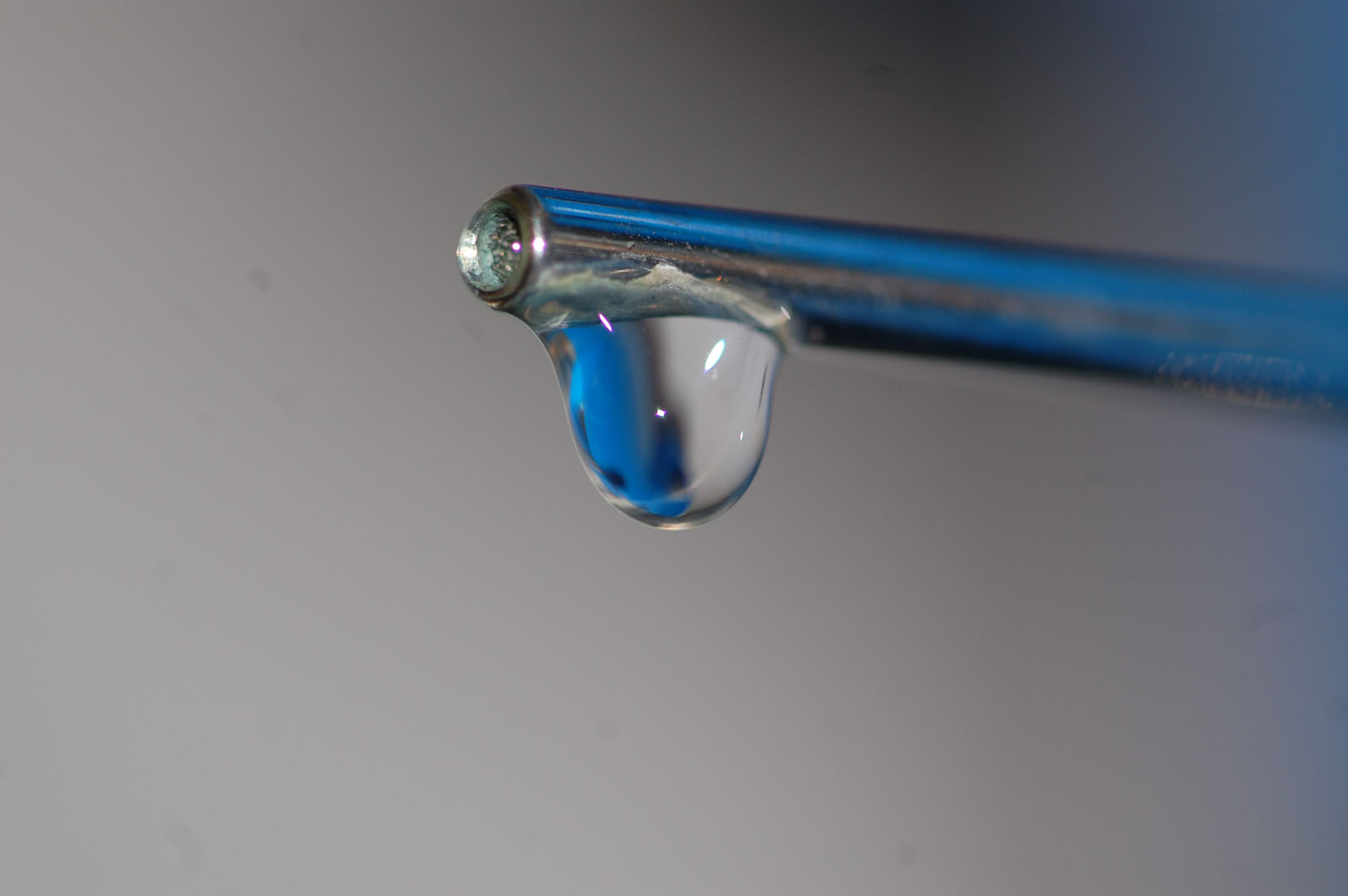
The humidity of the reconstituted soils is higher than the original soils from which they derive, due to a number of factors resulting from the treatment, composition and conformation of the aggregates; higher water retention, higher field capacity, lower specific gravity of reconstituted soils, lower constipation index and better aggregate structure ensure excellent hydrological properties.
Xeric soils can be converted into udic soils (with good water availability for plant growth).
Colour
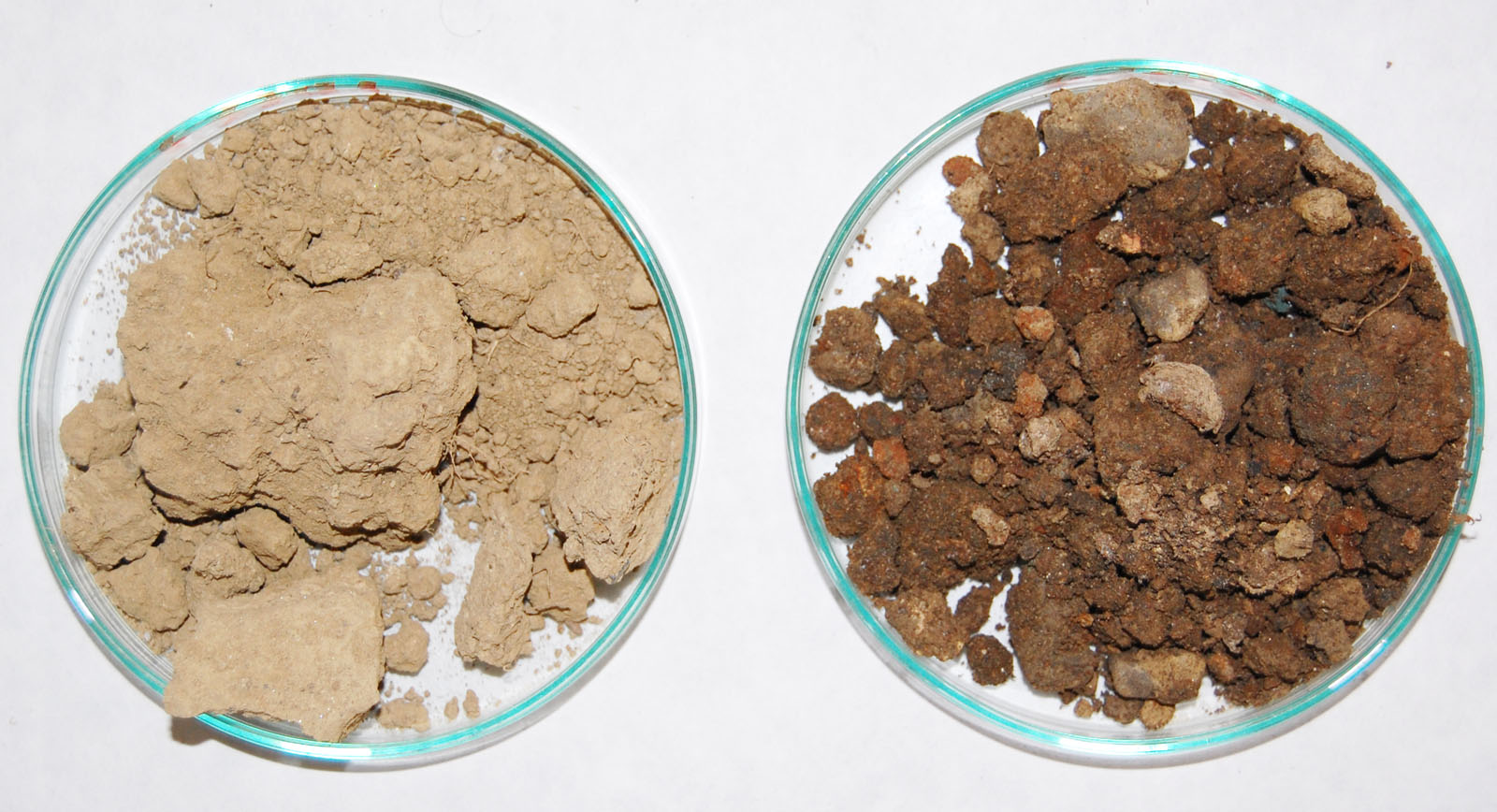
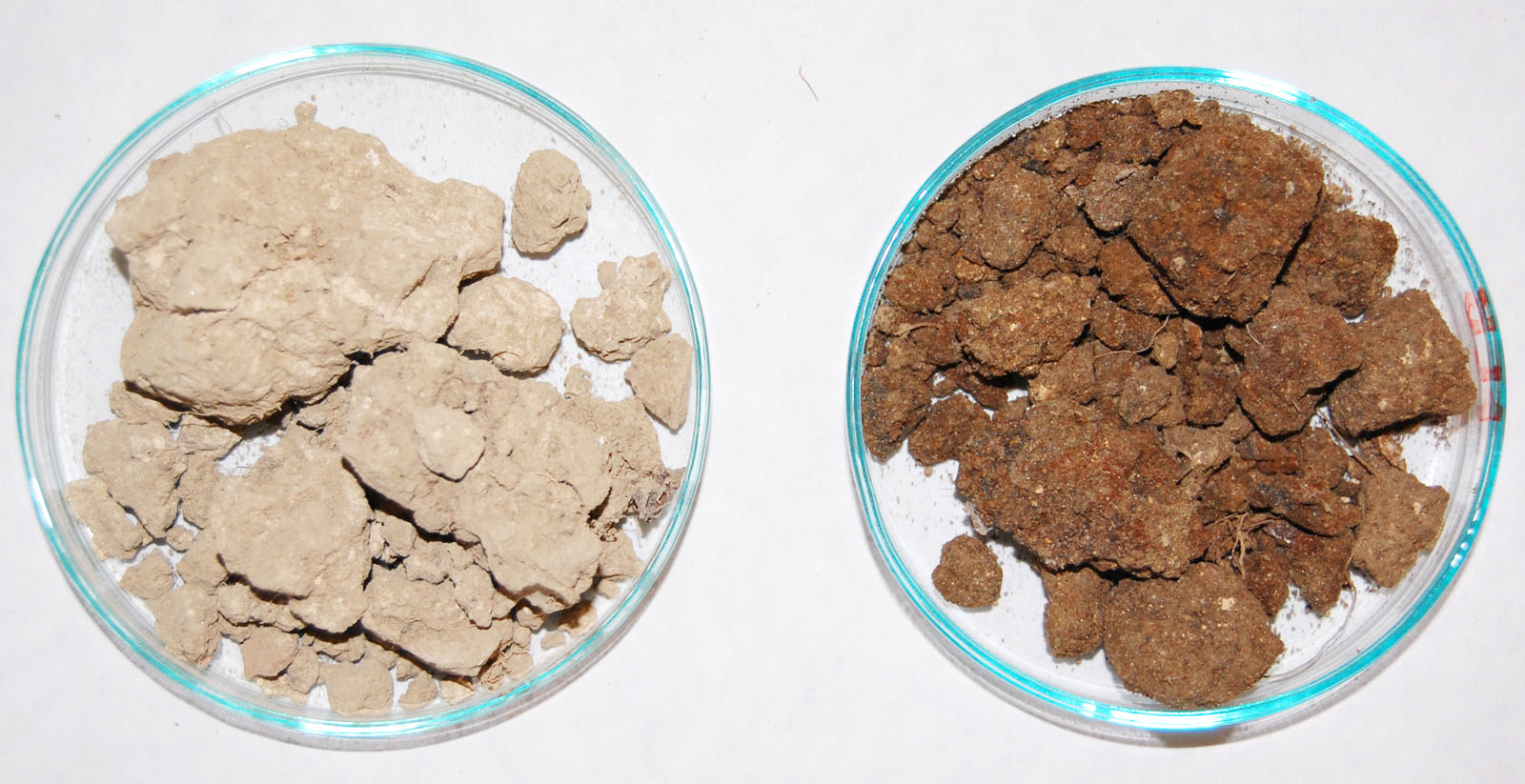
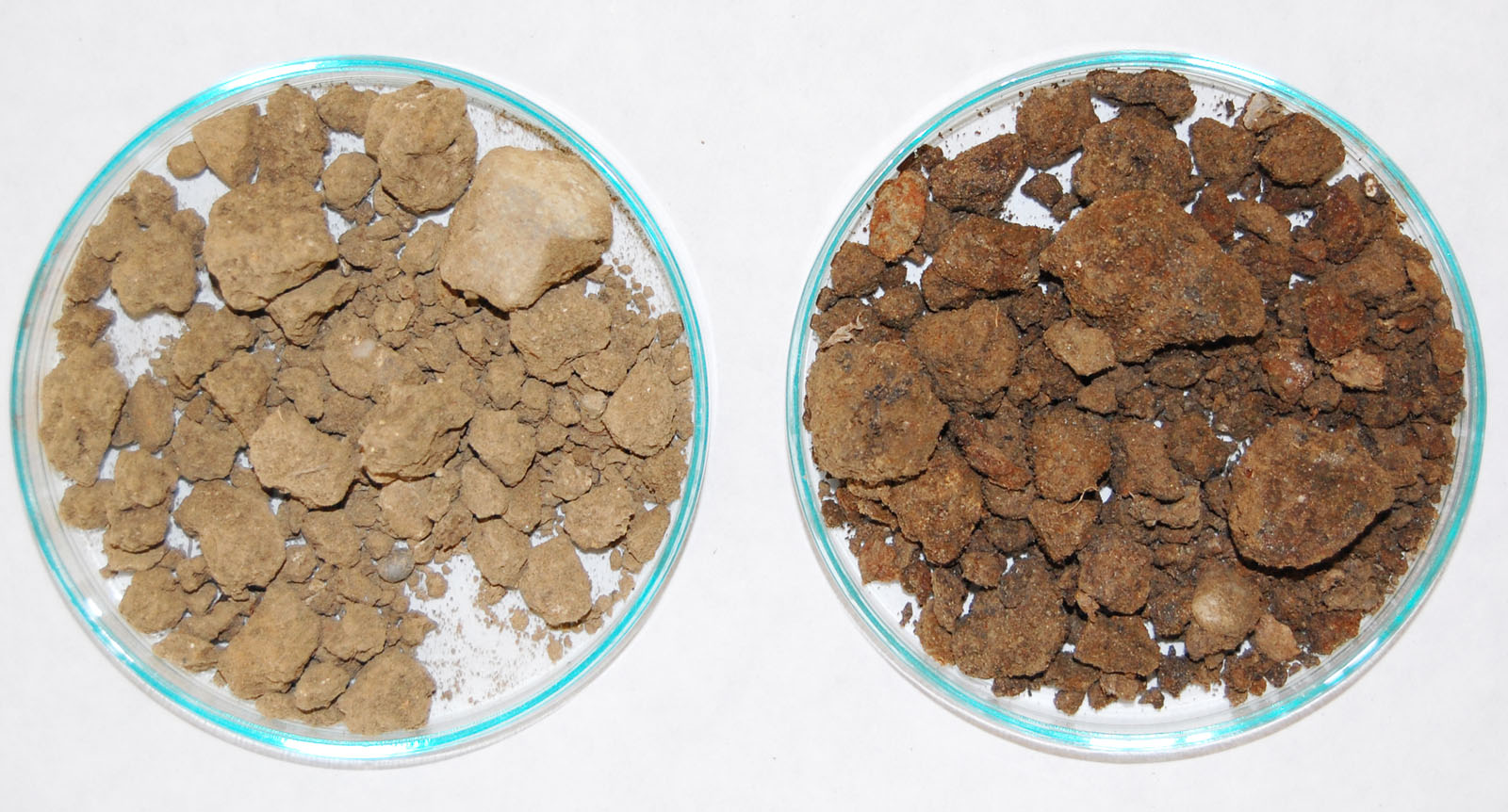
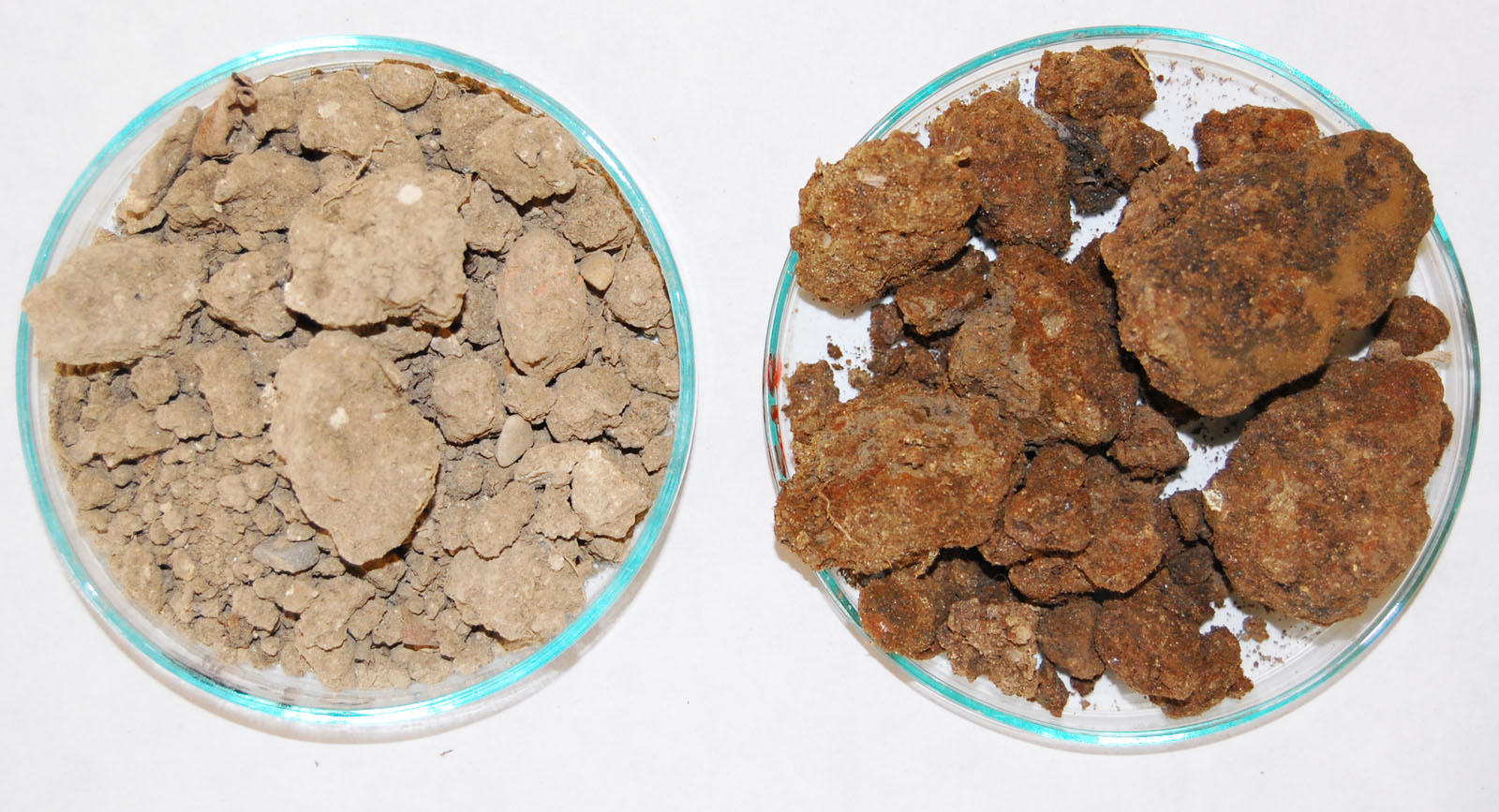
The change in soil colour after treatment is dependent on the required dosages of secondary matrices: in several cases, the colour of the soils has changed, mainly due to the higher content of organic matter.
In the same section:
 EN
EN  IT
IT  RU
RU 