
The experimentation started on 18/XI/2023, with an intervention in the areas of the Fertilia experimental farm, has completed its first crop (Mais); the studies carried out have been developed following the physical and chemical evolution of the soils, the trend of the crops and the foliar diagnostics in the different thesis.
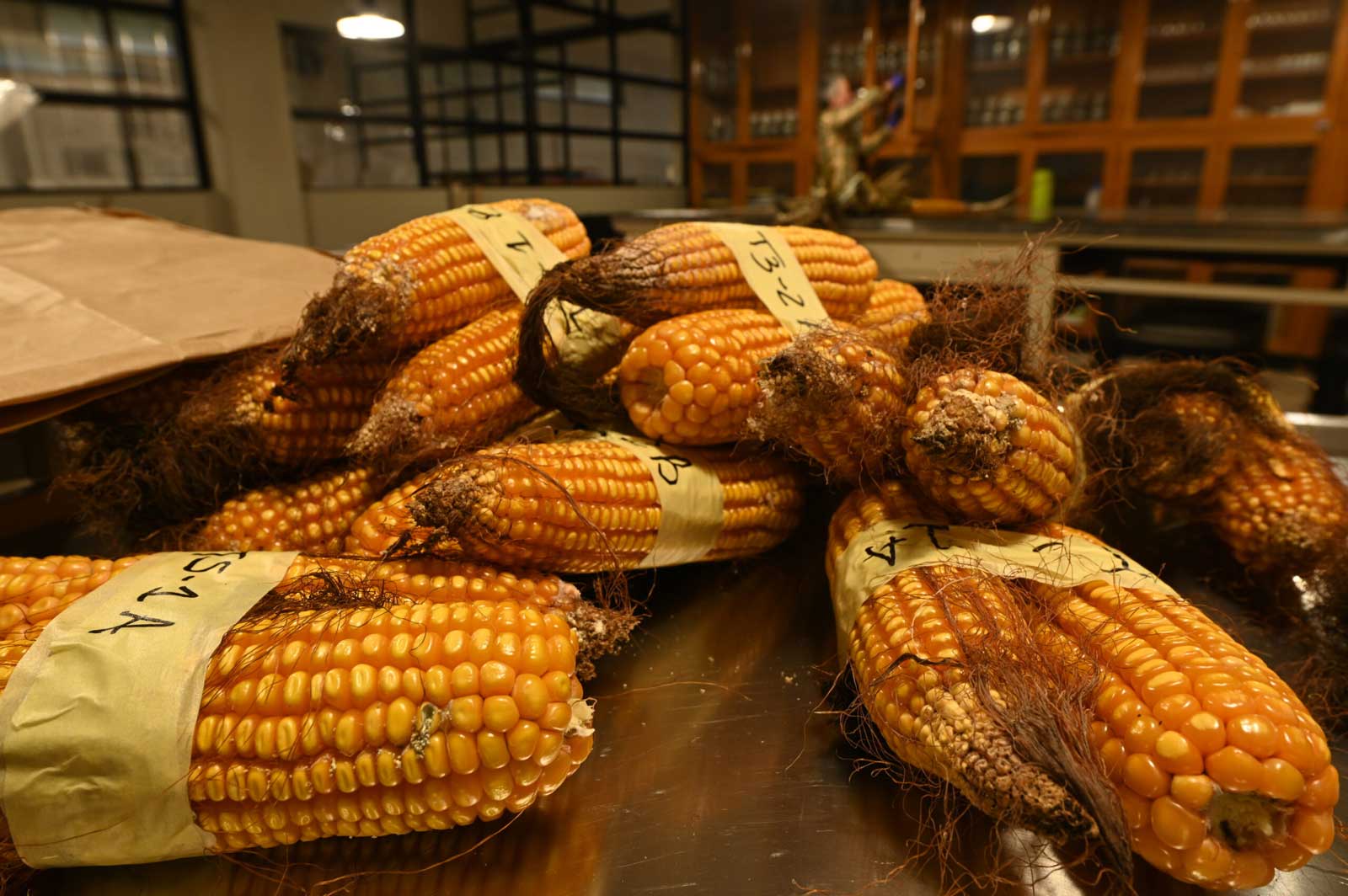
The comparison of production yields indicates a productivity increase of more than 9 %.% soils undergoing in situ reconstitution treatment.
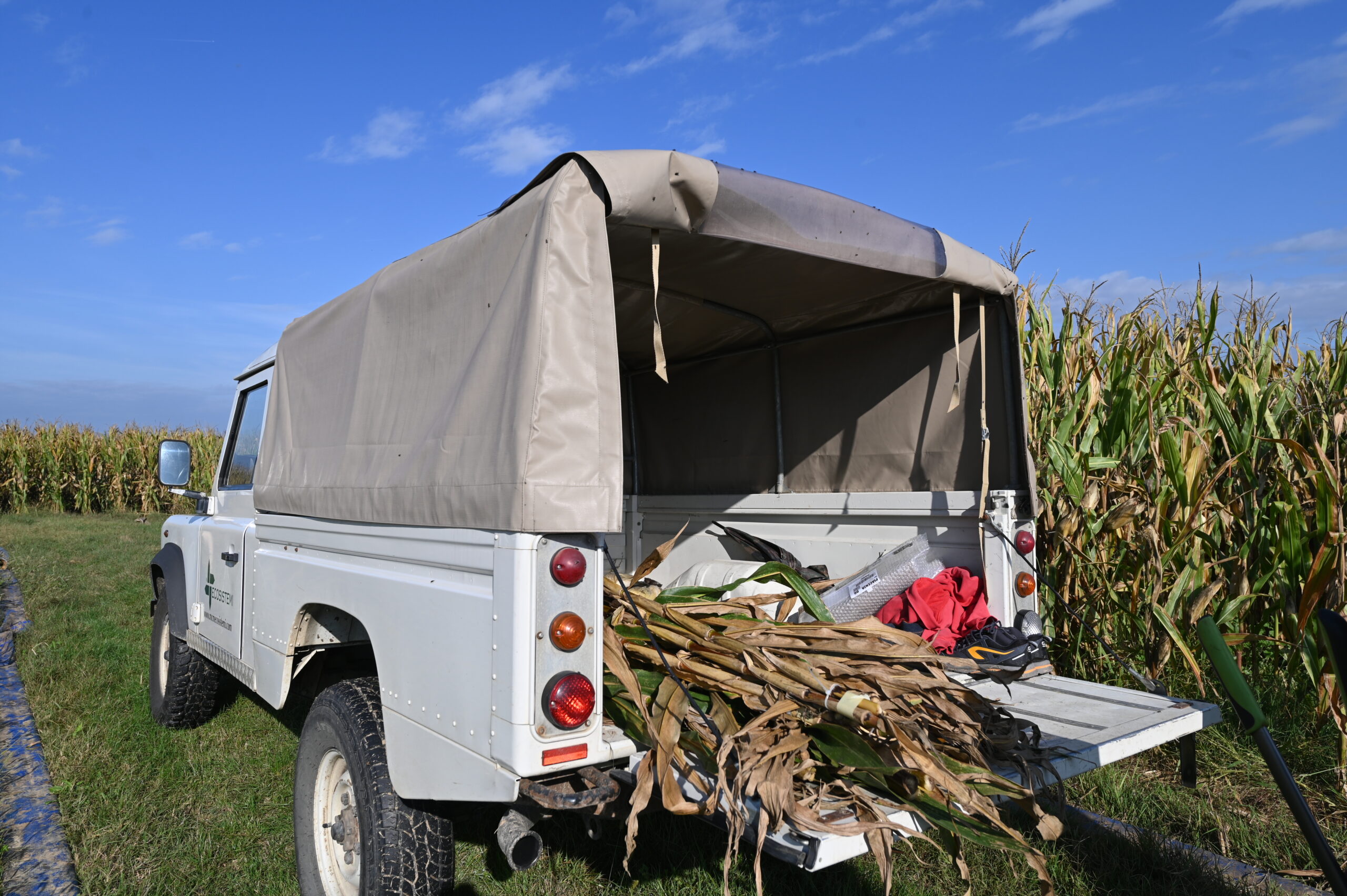
The studies, currently under study, confirm the improvement of the physical and chemical properties of the soils, a better development of the crops in the reconstituted experimental theses.
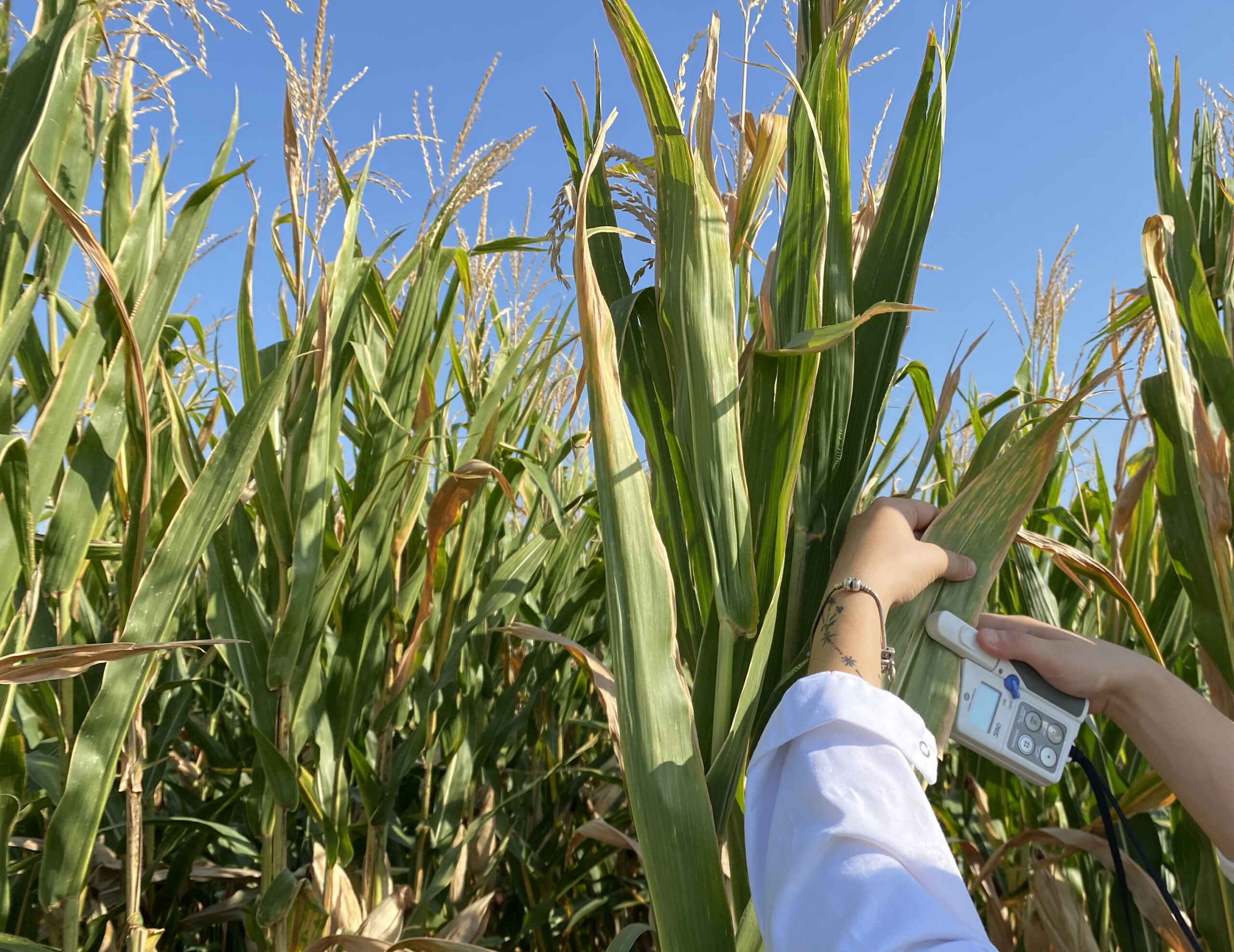
From a soil and agronomic point of view, the reconstituted soils do not have water stagnation, crust formation, the structure of the soils is improved with an increase in structural stability, the surface is more driveable but at the same time the soils are more workable. From a chemical point of view, the increase in organic matter, available phosphorus, a strong increase in humic and fulvic acids and an increase in nitrogen supply are confirmed, probably due to a greater retention of the element by reconstituted soils.
The experimentation, currently, shows remarkably positive aspects of improvement that, with reference to the initial motivations, namely those of identifying a method for the restoration of the lands damaged by the flood in Romagna, lead to a result that, in the current state of affairs, shows that this type of reconstitution treatment is potentially able to achieve improvements in all those silty, loamy-clay, loamy soils afflicted by the problems of strong crust, surface waterproofing that greatly reduce production and require heavy commitments in the agricultural management of the land.
 EN
EN  IT
IT  RU
RU 